





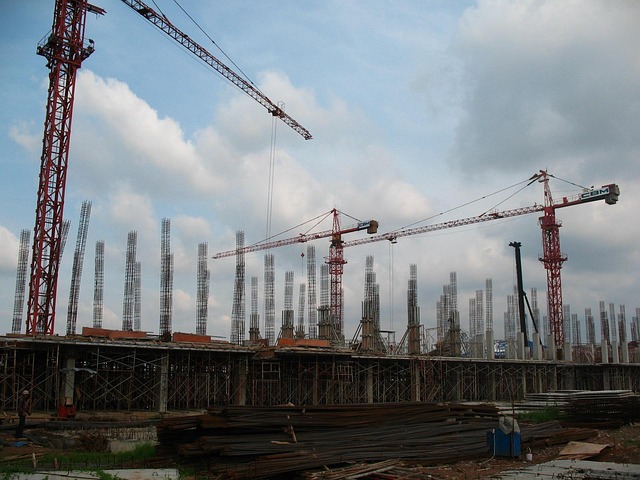


Glue Laminated Beams (GLBs) and Engineered Wood Beams offer unique structural advantages for modern construction. GLBs, created by gluing timber layers, provide superior load-bearing capacity and durability. Engineered wood beams, such as I-joists and GLULAM, leverage advanced manufacturing for exceptional strength tailored to specific loads. Both materials offer sustainable solutions, with GLBs excelling in weatherproof and fire-resistant performance. Choosing between them depends on project needs, with engineered wood beams resisting environmental factors while GLBs manage stress for longer structures.
“In the pursuit of constructing robust and resilient buildings, understanding the nuances between construction materials is paramount. This article delves into the comparison between two such prominent options: Glue Laminated Beams and Engineered Wood Beams. We’ll explore the unique properties and advantages of each, focusing on their load capacity, durability, and structural integrity. By the end, readers will grasp why one might supersede the other in specific applications, aiding in informed decision-making for stronger, more sustainable buildings.”
- Understanding Glue Laminated Beams: A Comprehensive Look
- Engineered Wood Beams: Properties and Advantages
- Performance Comparison: Load Capacity and Durability Analysis
Understanding Glue Laminated Beams: A Comprehensive Look

Glue Laminated Beams: A Comprehensive Look
Glue Laminated Beam vs. Engineered Wood Beam: Understanding the structural differences between these two innovative building materials is crucial when constructing stronger, more durable buildings. Glue laminated beams and engineered wood beams offer unique advantages in terms of strength, durability, and versatility, catering to various architectural requirements.
Laminated beams are created by gluing together multiple layers of timber, forming a strong composite structure. This process enhances the natural strength of wood, making it ideal for bearing heavy loads. On the other hand, engineered wood beams, such as I-joists and GLULAM (glued laminated timber), are manufactured through advanced engineering techniques that enhance structural performance. What sets these apart is their ability to withstand extreme weather conditions, fire resistance, and reduced dimensional stability compared to traditional wooden joists.
The benefits of glue laminating for beam construction include increased load-bearing capacity and improved dimensional accuracy. Glue laminated beams can be designed with specific shapes and dimensions to meet project requirements precisely. Moreover, the use of modern glues in these processes ensures superior strength and longevity, making them a sustainable building solution. When comparing engineered wood beams vs traditional lumber choices, laminated options often prove more advantageous due to their consistent performance and reduced risk of warping or splitting.
Engineered Wood Beams: Properties and Advantages

Engineered Wood Beams: Properties and Advantages
Engineered wood beams are revolutionary structural components, crafted by merging multiple layers of lumber with advanced gluing techniques. Unlike traditional wooden joists, these beams offer exceptional strength-to-weight ratios due to their precision engineering. The process involves gluing together strands, veneers, or planks at specific angles, creating a robust and uniform structure. This design not only enhances structural integrity but also allows for greater span capabilities, making it ideal for modern architectural designs.
One of the key advantages of engineered wood beams is their versatility. They can be tailored to meet specific project requirements, ensuring optimal performance in terms of load-bearing capacity and deflection. Moreover, these beams are resistant to warping, splitting, and shrinking, thanks to the precise gluing process and selection of high-quality lumber. This durability makes them a sustainable choice, reducing the need for frequent replacements. For those seeking eco-friendly alternatives, engineered wood beams present a compelling option, as they can be manufactured from both softwood and recycled materials, contributing to environmentally responsible construction practices (find us at unalam.com).
Performance Comparison: Load Capacity and Durability Analysis

When comparing Glue Laminated Beams vs Engineered Wood Beams, performance plays a pivotal role in determining which material is best suited for stronger buildings. In terms of load capacity, both options excel but with distinct approaches. Engineered wood beams leverage modern engineering techniques to enhance structural integrity, offering exceptional strength and stability, especially when designed to withstand specific load requirements. On the other hand, Glue Laminated Beams differentiate themselves through their construction process. By bonding multiple layers of wood together with high-performance glues, these beams can handle substantial loads while maintaining exceptional durability.
Durability analysis reveals that both materials have their strengths. Engineered wood beams often possess enhanced resistance to environmental factors due to their precision manufacturing and the use of treated timber. Glue Laminated Beams, however, offer a unique advantage in their ability to distribute stress more evenly throughout the structure, reducing the risk of structural failure under heavy loads. When considering the long-term impact on building projects, both options prove reliable but with varying strengths that cater to specific construction needs. For instance, give us a call at (607) 369-9341 to discuss how these differences can influence your project’s success and longevity.
In comparing Glue Laminated Beams and Engineered Wood Beams, it’s clear that both offer significant advantages in structural integrity and building durability. While glue laminated beams excel in traditional construction due to their high strength-to-weight ratio and superior bending capabilities, engineered wood beams provide cost-effectiveness, environmental benefits, and innovative design flexibility. Ultimately, the choice between these two depends on specific project requirements, budget, and aesthetic considerations. For stronger buildings, both options contribute uniquely, ensuring structural integrity and long-lasting performance.