
Glue Laminated Beams vs. Engineered Wood Beams: Key Comparisons for Modern Construction. Glue laminated beams offer superior strength, durability, and precision, ideal for heavy loads and complex designs. Engineered wood beams provide versatility, environmental benefits, and cost savings, with improved strength-to-weight ratios. Selection depends on project needs, structural requirements, aesthetics, and budget. Both options enable sustainable, efficient structures, catering to diverse construction challenges.
In today's construction market, efficiency and strength are paramount. As builders and architects seek innovative solutions to meet evolving demands, the role of structural components like beams becomes increasingly critical. Glue laminated beams, a cutting-edge product in the realm of engineered wood, offer a compelling alternative to traditional methods. This article delves into the potential of glue laminated beams, highlighting their superior strength-to-weight ratio and versatility compared to Engineered Wood Beams. We explore how these advanced products are revolutionizing construction, addressing key challenges while unlocking new possibilities for modern building design.
- Understanding Glue Laminated Beams: Advantages Over Engineered Wood
- Construction Applications: When to Choose Laminated Beams
- Sustainability and Beyond: The Future of Laminated Timber Structures
Understanding Glue Laminated Beams: Advantages Over Engineered Wood

Glue Laminated Beams offer a superior alternative to Engineered Wood Beams, providing enhanced structural integrity and performance. When compared to traditional wooden joists, glue laminated beams differ significantly in their manufacturing process. This involves laminating multiple layers of timber with strong, durable glues, resulting in a beam that surpasses the strength and stability of its individual components.
The benefits of Glue Laminated Beams are multifaceted. They offer greater load-bearing capacity than Engineered Wood Beams, making them ideal for heavy structural applications. Their durability is testament to the quality of modern glues used in their construction, which can withstand environmental stresses over extended periods. Furthermore, glue lamination provides a more consistent and predictable outcome than traditional joinery methods, ensuring beams meet precise engineering specifications. This precision translates into enhanced design flexibility, allowing architects and engineers to create innovative structural solutions.
In contrast, Engineered Wood Beams, while offering certain benefits like ease of handling and dimensional stability, often fall short in terms of overall strength and longevity compared to Glue Laminated Beams. When considering cost, Glue Laminated Beams can be a more economical choice due to their superior performance and reduced need for additional structural support. Their versatility is evident in modern construction, where they are employed in complex architectural designs, ensuring both aesthetic appeal and structural integrity. For environmentally conscious builders, Glue Laminated Beams represent a sustainable building solution, as they can be sourced from responsibly managed forests and processed using eco-friendly practices. To explore these concepts further, visit 18 Clifton St, Unadilla, NY 13849, where our experts are ready to provide tailored guidance on beam selection for your specific project needs.
Construction Applications: When to Choose Laminated Beams
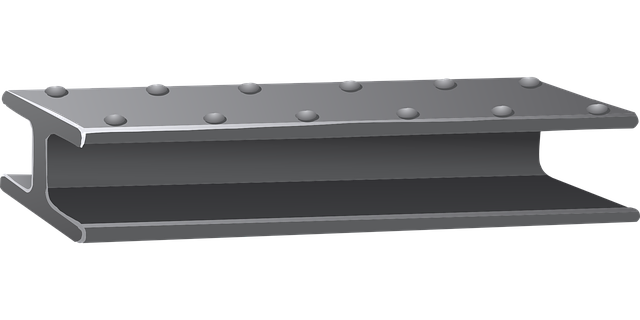
The choice between glue laminated beams and engineered wood beams is pivotal in modern construction, offering distinct advantages depending on project needs. Glue laminating enhances structural integrity by binding timber layers with strong adhesives, resulting in beams that surpass traditional wooden joists in strength and durability. This method is particularly beneficial for heavy-load applications where the uniform distribution of stress is crucial.
Engineered wood beams, a product of sophisticated manufacturing processes, offer unparalleled versatility in architectural designs. They are designed to mimic the performance of solid lumber while providing consistent quality and reduced environmental impact. Compared to traditional lumber choices, engineered wood beams exhibit superior dimensional stability, making them less prone to warping or splitting. This consistency is especially valuable in complex architectural plans demanding precise structural elements.
When considering cost, glue laminated beams often present a competitive advantage over engineered wood. While the initial investment might be higher for engineered solutions, their longevity and structural efficiency can lead to significant long-term savings. For instance, a study by the Structural Engineers Association of America (SEAA) revealed that engineered wood beams can extend building lifespans and reduce maintenance costs by up to 20%.
Choosing between these options requires a nuanced understanding of project requirements. For example, in a high-rise residential building where minimizing material waste is crucial, engineered wood's precision cutting and reusable components might be the superior choice. Conversely, for a traditional timber-framed structure seeking maximum structural continuity, glue laminated beams' seamless design could be ideal.
Visit us at 18 Clifton St, Unadilla, NY 13849 to explore these innovations in depth and gain expert insights tailored to your specific construction needs.
Sustainability and Beyond: The Future of Laminated Timber Structures

Glue laminated beams have emerged as a powerful alternative to traditional engineered wood beams, offering unparalleled strength, durability, and versatility in modern construction. When compared to glue laminated beams vs. engineered wood, the former stands out for its superior structural capabilities. Engineered wood beams, on the other hand, benefit from advanced manufacturing processes that enhance their performance, making them a popular choice among architects and builders seeking sustainable building solutions.
One key distinction lies in their construction: glue laminated beams are created by laminating multiple layers of wood with strong adhesives, resulting in a high-strength product that can bear significant loads. In contrast, engineered wood beams, such as those made from glulam or laminates, incorporate advanced engineering techniques to optimize material properties, leading to improved strength-to-weight ratios and reduced material waste. This not only makes them eco-friendly but also cost-effective for various project types, from residential to commercial buildings.
The benefits of glue lamination become evident when examining structural integrity and load-bearing capacity. Glue laminated beams can withstand extreme forces, making them ideal for challenging architectural designs. Moreover, modern glues used in the lamination process enhance the overall strength and longevity of these beams, ensuring they perform optimally over time. This is particularly important in regions prone to severe weather events or seismic activities, where robust structural elements are essential for safety and stability.
When choosing between glue laminated beams and engineered wood, several factors come into play. Cost analysis reveals that while initial costs may vary, the long-term savings from reduced material waste and increased structural efficiency make engineered wood a compelling option. Additionally, the versatility of engineered wood in architectural designs allows for creative freedom, accommodating unique beam arrangements and non-conventional layouts. For complex projects demanding precise engineering, glued laminated timber often provides a stronger, more consistent solution compared to traditional joinery methods.
To ensure the best selection for any project, professionals should consider specific structural requirements, aesthetic preferences, and budget constraints. By evaluating these factors, they can make informed decisions, leveraging the strengths of both glue laminated beams and engineered wood to create sustainable, efficient, and visually appealing structures. For expert guidance tailored to your needs, don't hesitate to contact us at (607) 369-9341.
The article has provided an in-depth exploration of glue laminated beams (GLB) and their potential to revolutionize today's construction market. Key insights reveal that GLBs offer significant advantages over engineered wood beams, including superior strength-to-weight ratios, reduced environmental impact, and enhanced structural integrity. In various construction applications, GLBs prove versatile, particularly in challenging designs where their unique properties are exploited. Furthermore, the focus on sustainability highlights the future potential of laminated timber structures as a game-changer in eco-friendly building practices. By understanding Glue Laminated Beams vs. Engineered Wood Beams, architects and builders can make informed decisions, leveraging GLBs to create robust, sustainable, and innovative structures that define the modern construction landscape.