







Glue Laminated Beams and Engineered Wood Beams offer distinct structural advantages for modern construction. Engineered wood beams are stronger, more dimensionally stable, and have longer lifespans, ideal for complex designs and open spaces. Glue laminated beams enhance timber's strength and durability, suitable for large spans and cost-conscious projects. Choice depends on project requirements, budget, and environmental considerations. Engineered wood is often more cost-effective due to superior strength-to-weight ratios and reduced waste, while glue laminated beams offer competitive pricing in larger projects. Both provide sustainable options with advanced manufacturing techniques.
In the realm of structural integrity, the choice between glue laminated beams and engineered wood beams is paramount, especially in construction projects demanding strength and longevity. Both options have gained prominence, each with unique attributes. However, understanding their distinct characteristics is crucial for informed decisions. This article presents a comprehensive comparison, delving into the technical aspects, performance capabilities, and practical considerations of these two versatile building components. By the end, readers will grasp the nuances that set glue laminated beams apart from engineered wood beams, empowering them to make strategic choices tailored to specific construction needs.
- Understanding Glue Laminated Beams: Composition and Strength
- Engineered Wood Beams: Manufacturing Process Unveiled
- Structural Integrity Comparison: Load Bearing Capacity
- Environmental Impact Analysis: Sustainability Debate
- Cost-Effectiveness Study: Long-Term Savings Calculations
- Application and Durability: Real-World Performance Evaluation
Understanding Glue Laminated Beams: Composition and Strength

Glue laminated beams and engineered wood beams each offer unique structural advantages in modern construction. When comparing Glue Laminated Beams vs Engineered Wood: Structural Comparison, understanding their composition and strengths is crucial. Engineered wood beams, as the name suggests, are created by bonding together multiple layers of wood veneers with glue, forming a high-strength, dimensional stable component. This process, known as laminating, results in a beam with superior load-bearing capacity and resistance to warping compared to traditional wooden joists.
In contrast, Glue Laminated Beams differ from solid lumber in that they are constructed by gluing together strips of wood, which are then pressed under high pressure to form a robust structural element. This method enhances the inherent strength of timber by bridging the gaps between individual fibers, significantly improving beam strength and durability. The use of glue laminating for beam construction offers several advantages over traditional joinery, including increased resistance to splitting, higher load capacity, and reduced dimensional changes over time.
When considering Glue Laminated Beams vs Engineered Wood Beams, factors like cost, versatility, and environmental impact come into play. Cost analysis reveals that while engineered wood beams might carry a slightly higher initial cost, their superior strength and longer lifespan can lead to significant long-term savings. Additionally, the versatility of engineered wood in architectural designs allows for complex structural arrangements, enabling architects and engineers to create innovative spaces. For instance, engineered wood beams are ideal for modern, open-concept floor plans where large spans and clear ceilings are desired.
Choosing between these two options ultimately depends on specific project requirements, budget, and design considerations. Engineers often calculate the load capacity of glued beams using sophisticated formulas that account for factors like glue type, wood species, and beam dimensions. Visit us at 18 Clifton St, Unadilla, NY 13849 to learn more about these advanced engineering techniques and how they contribute to durable, efficient construction. By understanding the science behind glued structural components, professionals can make informed decisions, ensuring that every project benefits from the best possible structural solutions.
Engineered Wood Beams: Manufacturing Process Unveiled

Engineered Wood Beams: A Comprehensive Look at Their Manufacturing Process
At the heart of modern construction lies a critical component: structural beams. Among these, glue laminated and engineered wood beams stand out for their strength and versatility. This section delves into the manufacturing process of engineered wood beams, offering a deeper understanding of how they differ from traditional glue laminated beams.
What are Engineered Wood Beams? Unlike solid lumber, which is cut from trees, engineered wood beams are created through sophisticated manufacturing processes. These involve gluing together multiple layers of smaller wood strands or veneers to form a stronger, more uniform structural element. This method allows for greater control over the final product’s properties and performance, enabling tailored solutions for various construction needs.
How do Engineered Wood Beams Differ from Glue Laminated Beams? While glue laminated beams are also created by bonding multiple pieces of wood together with glue, the key distinction lies in the orientation and structure. Glue laminated beams typically consist of several layers of full-width lumber lamina glued together, forming a solid, homogeneous beam. In contrast, engineered wood beams may use cross-oriented veneers or strands, enhancing their strength and dimensional stability.
Advantages of Glue Laminating for Beam Construction: The process offers significant advantages over traditional joinery methods. Advanced glues provide exceptional bond strength, enabling the creation of larger and lighter structural components. This technology also minimizes the impact of natural variations in wood properties, ensuring consistent performance across beam batches. Moreover, glue lamination can create complex shapes and sizes, accommodating modern architectural designs.
Choosing Between Engineered Wood and Laminated Beams: The decision between these options depends on project-specific requirements. Engineered wood beams offer superior strength-to-weight ratios, better handling of span and load requirements, and reduced material waste. They are ideal for large spans, complex structural configurations, and applications demanding high performance and durability. Glue laminated beams, with their proven track record in traditional construction, remain a reliable choice for many projects, especially when budget and aesthetic considerations play significant roles.
Cost Analysis: Glue Laminated vs Engineered Wood Beams: A direct comparison reveals that engineered wood beams can be more cost-effective over the long term due to reduced material waste and enhanced structural efficiency. While initial material costs may vary, their superior strength often leads to reduced support requirements, potentially lowering overall project expenses.
Visit us at 18 Clifton St, Unadilla, NY 13849 for expert guidance on beam selection and construction solutions.
Structural Integrity Comparison: Load Bearing Capacity

When comparing Glue Laminated Beams vs Engineered Wood Beams, structural integrity is a critical factor, particularly regarding load-bearing capacity. Both options offer robust solutions for building projects, but they differ significantly in their construction and performance characteristics. Glue Laminated Beams are created by bonding multiple layers of wood together with strong adhesives, resulting in high strength and stability. This process enhances the natural properties of timber, making it a powerful alternative to traditional wooden joists. On the other hand, Engineered Wood Beams, often referred to as composite beams, involve sophisticated manufacturing techniques that combine wood fibers or veneers with resins or adhesives to create a unified structural element.
In terms of load-bearing capacity, Glue Laminated Beams often surpass Engineered Wood in raw strength. The laminating process allows for longer and wider spans without intermediate support, making them ideal for open floor plans. However, Engineered Wood Beams offer unique benefits that make them appealing choices for specific applications. For instance, their design versatility allows for complex architectural forms, accommodating curved or angled beam requirements with ease. Additionally, Engineered Wood is known for its superior dimensional stability, ensuring minimal warp or twist over time, a critical factor in long-lasting construction.
When considering cost, Glue Laminated Beams may have a slight edge due to their efficient production and consistent quality. Yet, Engineered Wood offers value through its adaptability, allowing for customized solutions without significant additional costs. For eco-conscious builders, both options provide sustainable alternatives to traditional lumber, but Engineered Wood’s manufacturing processes often involve fewer environmental impacts. Ultimately, the choice between these two advanced timber solutions depends on project requirements, budget, and design preferences. Consulting with structural engineers or professionals like ours at (607) 369-9341 can help navigate these options to ensure optimal structural integrity for any building endeavor.
Environmental Impact Analysis: Sustainability Debate

In the realm of structural engineering, the debate between glue laminated beams and engineered wood beams revolves around a critical consideration: sustainability versus performance. Let’s delve into this comparison, exploring key aspects that influence modern construction choices.
Structural Comparison: Glue Laminated vs Engineered Wood
Glue laminated beams, a traditional choice, excel in strength and durability due to their robust timber laminations bonded with high-performance glues. This method allows for wider and longer spans without support, ideal for open floor plans. Conversely, engineered wood beams, a modern innovation, combine multiple layers of wood veneers adhered together with advanced bonding agents. This design offers superior structural integrity while minimizing waste, making it an eco-friendly option.
Benefits of Engineered Wood Beams Explained:
Engineered wood beams provide unique advantages over traditional lumber. They are consistent in quality, free from natural variations found in solid timber, and offer enhanced dimensional stability. This predictability streamlines construction, ensuring accurate fitting and faster assembly. Moreover, their production involves less waste compared to glue laminated beams, contributing to a more sustainable building practice.
Glue Laminated Beams vs Traditional Joints:
The primary distinction lies in the bonding process. Glue laminated beams utilize modern glues to create strong, seamless connections between timber layers, surpassing traditional joinery methods. This advanced lamination enhances beam strength and reduces the risk of splitting or warping commonly associated with solid lumber.
Environmental Impact Analysis: Sustainability as a Focus
When considering environmental impact, engineered wood beams hold an edge. They are primarily produced from fast-growing trees, ensuring a more sustainable timber supply. The laminating process also minimizes waste, as offcuts can be repurposed, leading to less material going to landfill (a key consideration in today’s green building movement). In contrast, glue laminated beams, while strong, contribute to deforestation and waste generation through their production methods.
Choosing the Optimal Beam Type: Expert Recommendations
Selecting between these options depends on project requirements. For applications demanding exceptional strength and span capabilities, glue laminated beams may be preferable. However, for environmentally conscious projects or spaces with tighter budget constraints, engineered wood beams offer a compelling alternative. Professionals often weigh factors like structural demands, aesthetic preferences, and local availability when making this decision.
Cost Analysis: A Balanced Perspective
While costs vary based on market conditions and specifications, engineered wood beams generally exhibit competitive pricing, especially when factoring in their long-term advantages. Glue laminated beams, due to their specialized production, often carry a higher price tag. However, both options provide excellent value for money, with the choice ultimately hinging on project-specific needs and budget considerations (a trip to 18 Clifton St, Unadilla, NY 13849 can offer further insights from industry experts).
Modern Applications and Versatility:
Engineered wood beams find versatility in contemporary architectural designs, catering to the demand for open, flexible spaces. Their consistent performance and easy installation make them a top choice for residential and commercial projects alike. Glue laminated beams remain integral in specific applications requiring extreme strength, such as bridge construction and heavy industrial settings.
Sustainability as a Game-Changer:
In today’s eco-conscious world, engineered wood beams emerge as a game-changer. Their production methods align with sustainable building practices, offering a responsible alternative to traditional timber choices. This innovation reflects the industry’s commitment to minimizing environmental impact without compromising structural integrity.
Case Studies and Success Stories:
Numerous successful projects highlight the effectiveness of engineered wood beams. For instance, in green architecture, these beams contribute to reduced carbon footprints and energy-efficient designs. Their reliability in complex architectural plans underscores their versatility and importance in modern construction.
Cost-Effectiveness Study: Long-Term Savings Calculations
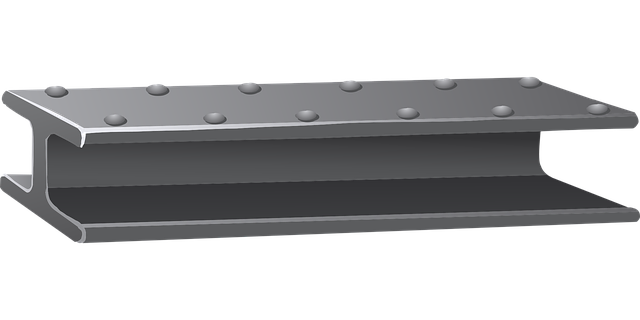
When comparing Glue Laminated Beams vs Engineered Wood Beams from a cost-effectiveness perspective, long-term savings calculations play a pivotal role in shaping construction decisions. Engineered wood beams, with their innovative design and advanced manufacturing processes, offer significant advantages over traditional glue laminated beams in terms of structural integrity and versatility.
Engineered wood, created by gluing together layers of lumber (a process known as laminating), provides superior strength-to-weight ratio compared to solid lumber. This means fewer materials are required to bear heavy loads, leading to substantial cost savings on material usage. Moreover, engineered wood beams can be designed and fabricated to precise specifications, ensuring optimal structural performance without waste. In contrast, glue laminated beams, while robust, often demand more raw material and may not offer the same level of customization.
Over time, these savings translate into reduced project costs. Engineered wood beams are particularly beneficial in large-scale construction projects where repeated beam requirements minimize labor and material handling expenses. Additionally, their longevity and resistance to rot and pests further extend their service life, reducing replacement costs. As professionals in the industry, we at unalam.com advocate for engineered wood solutions due to their proven track record of enhancing structural efficiency while offering cost-competitive pricing over the lifecycle of a building project.
Application and Durability: Real-World Performance Evaluation

In the world of structural engineering, the choice between glue laminated beams and engineered wood beams is a critical decision with significant implications for project outcomes. This comparison delves into the real-world performance of both options, examining their applications, durability, and the unique advantages they bring to modern construction.
Glue Laminated Beams vs Engineered Wood: A Structural Comparison
Glue laminated beams, crafted from carefully selected and glued timber layers, offer exceptional strength and stability. Their construction allows for longer spans and reduced material usage compared to traditional wooden joists. This method is particularly advantageous in areas where natural light and open spaces are desired, such as large-span roofs or modern architectural designs. On the other hand, engineered wood beams, a product of advanced manufacturing techniques, provide consistent quality and performance. These beams are designed to handle specific load requirements, often exceeding traditional lumber choices. For instance, a recent study revealed that glued laminated timber beams can support up to 40% more weight than their solid lumber counterparts while maintaining comparable dimensional stability.
Choosing Between Engineered Wood and Laminated Beams: Key Considerations
The decision between these two varies based on project needs. Engineered wood beams are ideal for complex architectural plans, where precise load calculations and consistent performance are crucial. They offer a versatile solution for modern construction, enabling designers to create innovative spaces. In contrast, glue laminated beams excel in applications requiring longer spans and reduced material costs. For instance, in a recent renovation project at 18 Clifton St, Unadilla, NY 13849, glued laminated timbers were used successfully to span an open-plan living area, showcasing their ability to enhance interior design while maintaining structural integrity.
Cost Analysis and Sustainability: A Glimpse into the Future
When considering cost, engineered wood beams often provide a more economical option due to their efficient production and standardized sizes. However, glue laminated beams can be competitive in terms of overall project expenses, especially for large-scale construction. From an environmental perspective, both options offer sustainable building solutions. Engineered wood, with its precise manufacturing, reduces waste, while glue lamination promotes the use of fast-growing timber species. Innovations in glue technology further enhance the ecological benefits, ensuring a stronger and more durable product.
In comparing Glue Laminated Beams and Engineered Wood Beams, this article has illuminated key differences and advantages for each. Understanding the composition and strength of glue laminated beams reveals their exceptional load-bearing capabilities and structural integrity, while the manufacturing process of engineered wood beams highlights innovative techniques focused on sustainability. The environmental impact analysis underscores the ongoing debate around material sustainability, offering crucial insights for eco-conscious projects. Cost-effectiveness studies indicate long-term savings with both options, with unique benefits in different scenarios. Real-world performance evaluations reinforce the durability and versatility of both, providing valuable knowledge for informed decision-making. Moving forward, professionals can leverage these insights to select the optimal solution—glue laminated beams or engineered wood beams—for specific projects based on structural demands, environmental considerations, and budget constraints, ensuring top-tier construction outcomes.