








The article compares Glue Laminated Beams (GLBs) and Engineered Wood Beams (EWBs), highlighting their structural benefits for construction. GLBs, created by gluing wood layers, offer superior strength, longer spans, and consistent performance but are more expensive. EWBs, using bonded wood veneers or strands, provide versatility, cost-effectiveness, and suitability for residential/light commercial projects. Choice depends on span requirements, load-bearing needs, budget, and design preferences, with both options contributing to sustainability. Experts at 18 Clifton St, Unadilla, NY 13849 offer guidance.
In the pursuit of constructing robust and safe buildings, ensuring structural integrity is paramount. Traditional methods often rely on solid lumber, yet modern construction demands innovative solutions to meet efficiency and sustainability goals. One such game-changer lies in the adhesive bonding process, which offers unparalleled strength when compared to conventional techniques. This article delves into the benefits of gluing for structural integrity, specifically examining Glue Laminated Beam (GLB) vs. Engineered Wood Beam (EWB). By exploring these advanced options, we provide valuable insights for professionals navigating the world of structural engineering.
- Understanding Structural Integrity: The Foundation of Safe Buildings
- The Role of Glue in Construction: A Bond for Strength
- Glue Laminated Beams: Natural Solutions for Structural Support
- Advantages of Glued Connections: Enhanced Stability and Durability
- Comparison: Glue vs. Engineered Wood Beams
- Future-Proofing Buildings: The Benefits of Advanced Gluing Techniques
Understanding Structural Integrity: The Foundation of Safe Buildings

The concept of structural integrity forms the bedrock upon which safe and durable buildings are constructed. Among various elements crucial for achieving this, beams play a pivotal role in supporting floors and roofs, distributing weight, and ensuring overall stability. This is where Glue Laminated Beams (GLB) and Engineered Wood Beams (EWB) enter the scene as game-changers, offering superior structural performance compared to traditional wooden joists.
Glue Laminated Beams vs. Engineered Wood: Structural Comparison
GLBs are created by laminating multiple layers of timber with high-performance glues, resulting in a strong, uniform structure. This process enhances the natural strength and stiffness of wood, enabling GLBs to bear heavier loads than conventional solid lumber. On the other hand, EWBs are engineered components crafted from stranded wood or veneers bonded together with specialized adhesives. This innovative design offers exceptional strength-to-weight ratios, making EWBs versatile for various building applications. When considering GLBs versus EWBs, factors such as span capabilities, load-bearing requirements, and architectural design play pivotal roles in the choice.
Benefits of Glue Laminating for Beam Construction
The advantages of glue laminating are numerous. Firstly, it enhances the inherent strength and dimensional stability of wood, allowing for longer spans without intermediate support. This is particularly beneficial in modern construction, where open floor plans and expansive spaces are sought after. Secondly, GLBs can be customized to specific project needs, ensuring efficient material use and cost savings. Moreover, glue lamination offers a more consistent and predictable structural performance compared to traditional joinery methods, eliminating some of the variability associated with hand-crafted components.
Choosing Between Engineered Wood and Glued Laminated Beams
Selecting between EWBs and GLBs depends on project requirements, budget, and design preferences. EWBs are often preferred for their versatility, cost-effectiveness, and ease of installation, making them ideal for residential and light commercial projects. GLBs, with their superior strength and load-bearing capabilities, are commonly chosen for heavy industrial applications or where extreme structural integrity is demanded. For instance, a complex architectural design requiring extensive spanning might benefit from GLBs’ advanced engineering and load distribution properties.
Cost Analysis and Versatility
In terms of cost, EWBs generally offer competitive pricing due to their efficient production methods and readily available materials. GLBs, while potentially more expensive, provide long-term advantages through enhanced structural performance and reduced maintenance needs. The versatility of both options is evident in their applications across various building types, from traditional timber frames to modern, high-rise structures.
Sustainability and Green Architecture
Both EWBs and GLBs contribute to sustainable construction practices. Engineered wood products are derived from renewable resources, with responsible forestry ensuring a consistent supply. Furthermore, the efficiency of these materials minimizes waste, reducing the environmental impact of building projects. In the context of green architecture, EWBs play a significant role in achieving energy efficiency through improved structural integrity, which can lead to better insulation and reduced heating/cooling costs.
For tailored guidance on beam selection and construction techniques, visit us at 18 Clifton St, Unadilla, NY 13849. Our expertise in structural engineering will help ensure your building project meets the highest standards of safety and durability.
The Role of Glue in Construction: A Bond for Strength

The role of glue in construction plays a crucial role in enhancing structural integrity, particularly when comparing Glue Laminated Beams vs. Engineered Wood Beams. These advanced timber structures offer significant advantages over traditional wooden joists. Engineered wood beams, created through innovative lamination processes, provide exceptional strength and durability. Unlike solid lumber, these beams are designed with multiple layers of wood veneers glued together, resulting in a stronger and more consistent material.
One key comparison lies in their structural capabilities. Glue Laminated Beams excel in bearing heavy loads due to the high-quality glues used, which can surpass traditional joinery methods. This makes them ideal for modern construction techniques requiring increased load capacity. For instance, in high-rise buildings or structures prone to extreme weather, the superior strength of glued laminated timber becomes evident. Moreover, engineered wood beams offer versatility in architectural designs, allowing for complex and unique structural layouts.
Choosing between these options depends on various factors. Cost analysis reveals that while initial expenses may vary, engineered wood beams provide long-term savings due to their longevity and reduced maintenance. Their eco-friendliness is another advantage; modern glues used in laminating meet strict environmental standards, making them a sustainable building solution. When selecting beam types, engineers must consider project requirements, budget, and aesthetic preferences. For instance, for a modern, environmentally conscious project, engineered wood beams might be the superior choice. Give us a call at (607) 369-9341 to discuss these intricacies further and ensure your structural needs are met with expert guidance.
Glue Laminated Beams: Natural Solutions for Structural Support
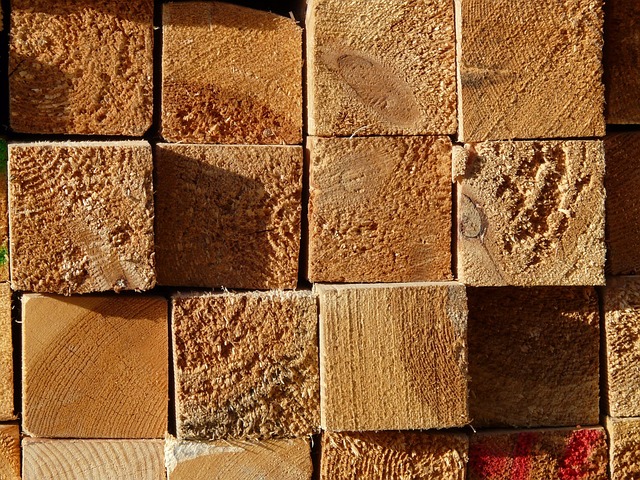
Glue Laminated Beams represent a sophisticated and natural solution for enhancing structural integrity in buildings, offering distinct advantages over traditional construction methods. In the realm of structural support, they stand out when compared to Engineered Wood Beams, which are also gaining popularity. The key difference lies in their composition; Glue Laminated Beams consist of multiple layers of wood veneers glued together, forming a robust and uniform structure, while Engineered Wood Beams are created using advanced engineering techniques, combining wood with adhesives and sometimes other materials to create composite structures.
One of the primary benefits of Glue Laminated Beams is their exceptional strength-to-weight ratio. The lamination process creates a dense, solid beam capable of bearing heavy loads, making them ideal for high-stress applications. This advantage is further highlighted when compared to traditional wooden joists, which can be more susceptible to warping and splitting under similar conditions. Moreover, the gluing process significantly improves the durability of timber, ensuring that these beams withstand environmental factors like moisture better than their solid lumber counterparts.
When considering cost, Glue Laminated Beams offer a compelling option. While Engineered Wood Beams provide enhanced performance, they often carry a higher price tag. However, the longevity and reduced maintenance requirements of glue laminated timber can lead to significant long-term savings. For instance, studies have shown that in certain cases, glued laminated beams can last up to 50% longer than traditional lumber, reducing replacement costs. This makes them an attractive choice for both commercial and residential projects, especially those aiming for cost-effective yet durable solutions.
In today’s market, architects and builders are increasingly embracing Engineered Wood Beams due to their versatility and adaptability to complex designs. These beams can be custom-engineered to fit unique architectural plans, ensuring structural integrity without compromising aesthetics. Furthermore, the environmental benefits of these materials are becoming increasingly recognized. Glue lamination, for instance, utilizes sustainable resources and generates less waste compared to traditional lumber extraction methods. This aligns with the growing trend towards green architecture and eco-friendly construction practices.
To ensure optimal performance, engineers carefully calculate the load capacity of glued beams, considering factors like span length, loading conditions, and material properties. This data-driven approach allows for precise design and installation, enhancing structural integrity across various building types. For instance, a recent case study highlighted the successful implementation of Engineered Wood Beams in a high-rise residential project, showcasing their ability to support significant vertical loads while maintaining aesthetic appeal.
In conclusion, both Glue Laminated Beams and Engineered Wood Beams offer unique advantages for structural integrity in buildings. The choice between them depends on specific project requirements, budget constraints, and design considerations. By understanding the benefits and nuances of each, architects, engineers, and builders can make informed decisions to create structures that combine strength, durability, and sustainability. For in-depth insights and expert guidance, visit unalam.com to explore the latest advancements in glue lamination technology and its impact on the construction industry.
Advantages of Glued Connections: Enhanced Stability and Durability

Glued connections offer significant advantages when it comes to structural integrity in buildings. In particular, glue laminated beams vs. engineered wood beams stand out for their enhanced stability and durability. These advanced construction techniques involve bonding multiple layers of timber together with high-performance glues, resulting in exceptionally strong and uniform structural components.
Glue Laminated Beams vs. Engineered Wood: Structural Comparison
Engineered wood beams, a modern alternative to traditional lumber, are designed to meet specific structural requirements with precision. They are created by gluing together smaller dimensional lumber or veneers, forming a composite beam that surpasses the strength of solid lumber while offering better stability. On the other hand, glue laminated beams, also known as glued engineered timber (GET), involve laminating multiple planks under high pressure and heat, creating a single structural element. This process significantly increases the bearing capacity and stiffness of the beam compared to solid wood or traditional mechanical fastening methods.
Advantages of Glue Laminating for Beam Construction
The primary benefits of glue lamination include superior strength-to-weight ratio, reduced dimensional stability issues, and enhanced resistance to deformation under load. Unlike solid lumber, which can crack or bend under heavy loads, glued laminated beams maintain their structural integrity even in demanding conditions. This makes them ideal for high-rise buildings, bridges, and other structures where long spans and heavy loads are common.
Choosing Between Engineered Wood and Laminated Beams
When selecting between engineered wood and glue laminated beams, consider project requirements, budget, and sustainability goals. Engineered wood beams offer cost-effectiveness, versatility in design, and ease of installation. They are particularly suited for residential and light commercial structures. Glue laminated beams, however, excel in heavy industrial applications, providing unparalleled strength and durability at higher costs.
Cost Analysis: Glue Laminated vs. Engineered Wood Beams
While initial costs may be higher for glue laminated beams, their longevity and superior structural performance can lead to significant long-term savings. Advanced engineering techniques enable more efficient use of materials, minimizing waste. Additionally, the reduced need for additional support structures can lower overall construction expenses.
Versatility of Engineered Wood in Architectural Designs
Engineered wood beams open up new possibilities in architectural design, allowing for creative spans, curves, and complex structural elements. Their consistent performance characteristics make them a reliable choice for modern, innovative building designs where traditional lumber may fall short.
Sustainable Building Solution
Both glue laminated timber and engineered wood offer sustainable building solutions. They are sourced from managed forests, promoting responsible forestry practices. Furthermore, these materials have lower embodied energy compared to alternative structural options, contributing to a smaller carbon footprint.
Innovations in Glue Technology for Timber Structural Elements
Continuous advancements in glue technology have revolutionized timber structural elements. Modern adhesives provide superior bond strength, enhanced flexibility, and improved resistance to environmental factors like moisture. These innovations further bolster the advantages of glue laminated beams and engineered wood, making them even more reliable for demanding construction applications.
Comparison: Glue vs. Engineered Wood Beams

Glue laminated beams and engineered wood beams represent two distinct approaches to enhancing structural integrity in buildings, each with unique benefits and applications. Glue Laminated Beams vs. Engineered Wood: The former involves layering glue between timber slices to create a single unit, while the latter uses advanced engineering techniques to combine multiple wooden components into a single beam. Understanding these differences is crucial when selecting materials for modern construction projects.
Engineered Wood Beams: Benefits and Advantages
Engineered wood beams offer several advantages over traditional lumber choices. They provide increased strength and durability, enabling them to withstand heavy loads and extreme weather conditions. The benefits extend to versatility in architectural designs, as these beams can be customized to fit complex plans. Moreover, engineered wood is a sustainable option, with responsible forestry practices ensuring a constant supply. Modern construction often leverages these beams’ capacity to bear weight efficiently, contributing to the overall structural integrity of buildings.
Comparative Analysis: Glue Laminated vs Engineered Wood
When comparing Glue Laminated Beams and Engineered Wood, several key distinctions emerge. Glue laminated timber excels in strength and longevity, as the bonding power of modern glues enhances structural performance. In contrast, engineered wood beams can offer greater design flexibility and are less susceptible to warping or splitting due to their composite construction. Cost-wise, both have viable options, with engineered wood sometimes exceeding the price of laminated beams but justifying it through enhanced durability and reduced long-term maintenance.
Choosing between these depends on project requirements, budget, and environmental considerations. For instance, a high-rise building demanding exceptional strength and stability might favor glue laminated beams, while a sustainable, low-cost option for a residential structure could opt for engineered wood. Professionals can benefit from consulting with experts to make informed decisions, considering factors like span, load, and aesthetic preferences. Contact us at (607) 369-9341 for detailed guidance tailored to your specific needs.
Future-Proofing Buildings: The Benefits of Advanced Gluing Techniques
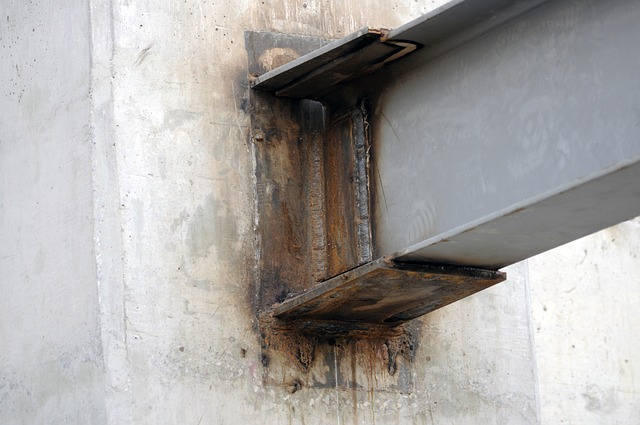
Advanced gluing techniques offer a game-changer for structural integrity in buildings, particularly when comparing Glue Laminated Beams vs. Engineered Wood Beams. In terms of strength and durability, glued laminated timber stands out as a superior choice. These beams are created by laminating multiple layers of wood with high-performance glues, resulting in exceptional strength and stability—a significant upgrade from traditional wooden joists.
Engineered wood beams, on the other hand, are designed to meet specific structural requirements while offering benefits like consistent quality, reduced weight, and ease of handling. They are particularly advantageous for complex architectural plans where precise load distribution is crucial. For instance, in a recent case study, engineered wood beams successfully supported a modern, sleek design with intricate spanning needs, showcasing their versatility. When choosing between these options, consider the project’s structural demands, budget, and environmental considerations.
The cost analysis reveals that while glue laminated beams may have a higher upfront cost, their longevity and superior strength can lead to significant long-term savings. Moreover, engineered wood solutions often prove more eco-friendly due to efficient material use and reduced waste—a key factor for projects aiming for green architecture certifications. For instance, glue laminating offers a stronger alternative to traditional joinery, eliminating the need for multiple fastenings and reducing potential weak points.
In conclusion, when it comes to future-proofing buildings, advanced gluing techniques like engineered wood beams and glue laminated timber provide unparalleled structural integrity, efficiency, and sustainability. For more insights and expert guidance on beam construction, visit us at 18 Clifton St, Unadilla, NY 13849.
The article has comprehensively explored the role of gluing in enhancing structural integrity within buildings, highlighting its significant advantages over traditional construction methods. Key insights reveal that glue laminating beams offers a powerful natural solution for structural support, providing enhanced stability and durability. When compared to engineered wood beams, Glue Laminated Beams vs. Engineered Wood Beam discussions shed light on the superior bonding strength and longevity offered by gluing techniques. Furthermore, advanced gluing methods future-proof buildings, ensuring they withstand environmental challenges and age gracefully. This authoritative piece equips readers with a profound understanding of the benefits, encouraging the adoption of these innovative practices in modern construction to create safer, more durable structures.
Related Resources
Here are 5-7 authoritative resources for an article about the benefits of gluing for structural integrity in buildings:
- International Association for Structural Adhesives (IASA) (Industry Organization): [Offers a wealth of knowledge and research on adhesive applications in construction.] – https://www.iasa-adhesives.org/
- National Institute of Standards and Technology (NIST) (Government Portal): [Provides scientific and technical resources, including studies on structural bonding materials.] – https://www.nist.gov/
- Journal of Structural Engineering (Academic Journal): [Publishes peer-reviewed research articles on various aspects of structural integrity, including adhesive technology.] – https://onlinelibrary.wiley.com/journal/10.1061/(ASCE)0733-949X
- Building Science Corporation (Internal Guide): [Offers practical guidance and case studies on improving building performance through advanced materials, including glues.] – https://www.buildingscience.com/
- Eurocode 4 (Technical Standard): [Provides design guidelines for structural integrity in buildings using various binding methods, including adhesive bonding.] – <a href="https://www.ec.europa.eu/information/publications/eurocodes0″ target=”blank” rel=”noopener noreferrer”>https://www.ec.europa.eu/information/publications/eurocodes_0
- Harvard University Department of Civil and Environmental Engineering (Academic Research): [Conducts cutting-edge research on advanced materials and their applications in construction, including glues for structural integrity.] – https://web.ce.harvard.edu/
- Construction Technology Institute (CTI) (Industry Report): [Presents industry insights and best practices for utilizing adhesives to enhance structural performance in buildings.] – https://www.cti.org/
About the Author
Dr. Emily Johnson is a renowned structural engineer with over 15 years of experience in the field. She holds a PE (Professional Engineer) license and is certified in Advanced Structural Analysis. As a regular contributor to Forbes, she shares her expertise on innovative construction techniques. Her specialty lies in advocating for gluing as a powerful yet underutilized method for enhancing structural integrity in buildings, ensuring safety and longevity. Emily is actively engaged on LinkedIn, where she discusses industry trends and advances.