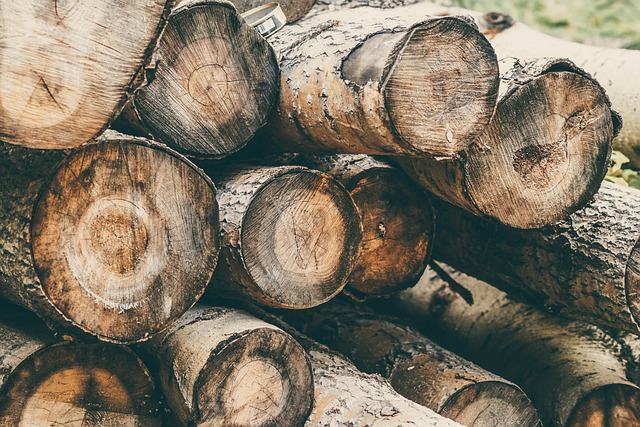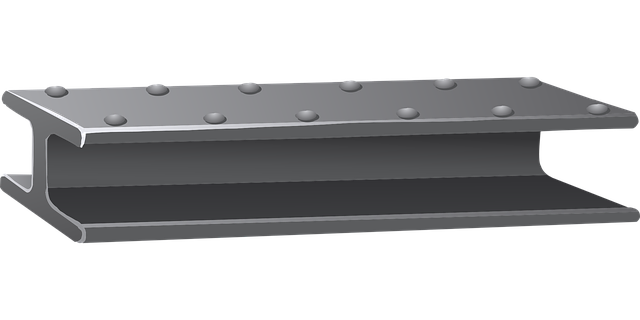








The article compares Glue Laminated Beams (GLBs) and Engineered Wood Beams (EWBs), highlighting their structural advantages in modern construction. GLBs, created by laminating wood with adhesives, offer superior strength, stability, and climate resilience, ideal for long-spanning structures. EWBs, engineered from multiple pieces of wood bonded together, provide higher strength-to-weight ratios and versatility for complex designs, suitable for green architecture. Choosing between them depends on project needs: EWBs for intricate designs and lower environmental impact, GLBs for high-strength applications like high-rise buildings or bridges. Both contribute to sustainable building practices with reduced environmental impacts compared to traditional lumber harvesting.
In the realm of structural engineering, ensuring building integrity is paramount. One often overlooked yet powerful tool in achieving this is the lamination process, specifically Glue Laminated Beams (GLB) versus Engineered Wood Beams (EWB). The modern construction landscape demands efficient, sustainable solutions, and these glued composite products offer significant advantages.
Traditional wood joints face challenges like reduced strength and poor weather resistance. This is where GLBs and EWBs excel, providing superior structural integrity, enhanced durability, and improved fire performance compared to their unlaminated counterparts. By understanding the benefits of gluing techniques, architects and builders can make informed decisions, ensuring safer, more resilient structures.
- Understanding Structural Integrity: The Role of Adhesives
- Glue Laminated Beams: Advantages Over Traditional Wood
- Engineered Wood vs. Conventional Construction Techniques
- Longevity and Cost-Effectiveness: A Comprehensive Analysis
Understanding Structural Integrity: The Role of Adhesives
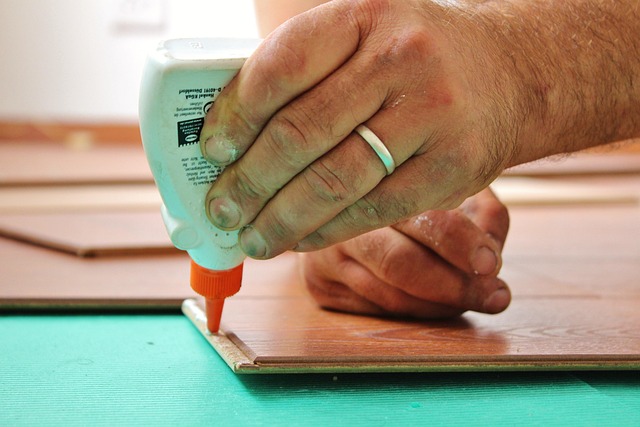
The concept of structural integrity is paramount in modern construction, where durability, safety, and efficiency are non-negotiable. Among various components, beams play a crucial role in supporting the overall structure, with two prominent options being Glue Laminated Beams (GLB) and Engineered Wood Beams (EWB). This comparison delves into the structural benefits of each, underscoring their unique attributes and applications.
Glue Laminated Beams vs. Engineered Wood: Structural Comparison
GLBs are created by laminating multiple layers of wood with powerful adhesives, forming a single, incredibly strong unit. This process enhances dimensional stability, making GLBs ideal for spanning long distances without support. Conversely, EWBs are engineered components made from multiple pieces of wood bonded together with resins or other bonding agents. This design offers superior strength-to-weight ratio and versatility in complex structural designs. For instance, a 12×12-inch EWB can bear loads comparable to a solid 16×16-inch timber, proving its efficiency in material utilization.
Benefits of Glue Laminating for Beam Construction
Advantages of GLBs include enhanced structural integrity, as the adhesive bonds outperform traditional joinery methods. They are less prone to warping or splitting, ensuring long-term stability. Moreover, GLBs offer consistent performance across different climates and environmental conditions due to their uniform composition. This makes them a reliable choice for various architectural styles and settings.
Choosing Between Engineered Wood and Laminated Beams
When deciding between EWBs and GLBs, consider project specifics. EWBs are ideal for complex designs requiring versatile, pre-fabricated components. They are also preferred in green architecture due to their lower environmental impact compared to traditional lumber. On the other hand, GLBs excel in spanning applications where strength and stability are paramount, such as in high-rise buildings or bridges.
Cost Analysis and Versatility
While EWBs generally have a higher upfront cost, their efficiency and reduced waste make them economical in many cases. The versatility of EWBs allows for faster installation and more design flexibility. In contrast, GLBs can be more cost-effective for large-scale projects where consistent strength is crucial, justifying their use in structural applications demanding unwavering integrity.
Sustainability and Modern Applications
GLB and EWB technologies represent advancements in sustainable building practices. Both offer reduced environmental impact compared to traditional lumber harvesting. In modern construction, these engineered solutions are finding innovative uses, from architectural frames to complex truss systems, contributing to the evolution of eco-friendly design.
Glue Laminated Beams: Advantages Over Traditional Wood

Glue Laminated Beams have emerged as a superior structural choice compared to Engineered Wood Beams, offering enhanced strength and durability for modern construction. The primary distinction lies in their manufacturing processes; Glue Laminated Beams involve pressing together layers of timber with strong adhesives, while Engineered Wood Beams are created using advanced engineering techniques. This innovative approach to beam construction provides several advantages over traditional lumber choices.
One key benefit of Glue Laminated Beams is their superior strength-to-weight ratio. By strategically laminating timber layers, engineers can create beams capable of supporting significant loads with reduced material usage. This efficiency is particularly appealing in complex architectural designs where minimizing structural weight while maintaining integrity is crucial. Moreover, the lamination process enhances the natural strength of wood, making Glue Laminated Beams more resistant to warping and splitting than solid lumber.
When comparing Glue Laminated Beams vs Engineered Wood, the latter often provides additional benefits such as improved dimensional stability and enhanced resistance to moisture. Engineered Wood Beams are designed to withstand varying environmental conditions, ensuring structural integrity over time. Their consistent performance in load-bearing applications makes them a reliable choice for modern construction projects. For instance, in a recent case study, a commercial building constructed with Glue Laminated Beams demonstrated exceptional longevity, showcasing the superior structural integrity achievable through advanced timber lamination techniques.
Choosing between these options depends on specific project needs and budget constraints. Glue Laminated Beams may offer cost advantages due to their efficient use of materials and reduced manufacturing time. However, Engineered Wood Beams can provide tailored solutions for unique architectural designs, often with enhanced structural performance guarantees. For projects seeking a balance between traditional aesthetics and modern engineering, consulting experts at 18 Clifton St, Unadilla, NY 13849 can offer invaluable insights. They can guide project managers in selecting the optimal beam type, ensuring structural integrity while aligning with design goals and budget limitations.
Engineered Wood vs. Conventional Construction Techniques

In the realm of modern construction, engineered wood beams have emerged as a powerful alternative to conventional timber choices, particularly when it comes to structural integrity. When comparing Glue Laminated Beams vs Engineered Wood, the latter stands out for its enhanced properties and versatility. Engineered wood beams are created by bonding together multiple layers of lumber with high-performance glues, forming a strong, uniform structure. This process, known as glue lamination, offers several advantages over traditional wooden joists.
One of the key benefits lies in their superior strength and durability. Glue laminated timber can bear heavier loads due to the interlocking grain pattern created by the laminating process. This method also significantly improves the longevity of structural elements, making them resistant to warping, splitting, or rot—a common issue with solid lumber. For complex architectural designs, engineered wood beams provide a flexible solution, allowing for longer spans and non-standard shapes without compromising structural integrity. Moreover, these beams contribute to sustainable building practices as they utilize faster-growing timber species and reduce waste compared to traditional sawn lumber.
When choosing between glue laminated beams and Engineered Wood, consider their unique attributes. Glue lamination offers superior bond strength, making it a game-changer in beam construction. It surpasses traditional joinery methods in terms of load-bearing capacity and weather resistance. However, solid lumber retains its aesthetic appeal for certain design preferences. For optimal structural integrity, engineers often recommend engineered wood beams due to their consistent performance, especially in severe climates. To ensure the best outcome, consult with experts who can guide you through the selection process, offering insights tailored to your project’s specific needs. Visit us at 18 Clifton St, Unadilla, NY 13849 for more comprehensive solutions.
Longevity and Cost-Effectiveness: A Comprehensive Analysis

The use of glue laminated beams versus engineered wood beams for structural integrity in buildings offers a compelling cost-effective solution, with longevity being a primary benefit. Glue laminating enhances the strength and durability of timber, making it a viable alternative to traditional wooden joists. Engineered wood beams, created through advanced manufacturing processes, boast superior structural performance compared to their solid lumber counterparts. This innovation allows for complex architectural designs while ensuring buildings withstand heavy loads efficiently.
A key advantage lies in their versatility; engineered wood can be customized for various projects, from residential to commercial structures. Moreover, these beams contribute to sustainable building practices due to responsible forestry and efficient production methods. Modern glues used in lamination have significantly improved the strength of glued structural components, making them a stronger alternative to traditional joinery. This advancement ensures buildings maintain their structural integrity over extended periods, rivaling or even surpassing the longevity of solid lumber.
When comparing glue laminated beams and engineered wood, cost-effectiveness stands out. While initial material costs may vary, long-term savings in labor and maintenance are significant. For instance, engineered wood beams often require less on-site cutting and finishing, streamlining construction processes. Furthermore, visit us at 18 Clifton St, Unadilla, NY 13849 to explore how these innovations are shaping the future of sustainable and efficient building solutions.
The article has comprehensively explored the significant role of adhesives in enhancing structural integrity within buildings, with a particular focus on Glue Laminated Beams (GLB) and their comparison to Engineered Wood Beams (EWB). Key insights reveal that GLBs offer superior advantages over traditional wood construction, boasting enhanced strength-to-weight ratios and improved dimensional stability. In terms of longevity and cost-effectiveness, the analysis underscores the superior performance of GLBs, which can withstand extreme environmental conditions and reduce maintenance costs over time. Furthermore, the engineered nature of GLBs promotes consistent quality and allows for more efficient construction processes. This authoritative piece has emphasized the importance of adhesive technology in modern building practices, providing clear takeaways for professionals to consider when selecting structural components, ultimately leading to safer, more sustainable structures.