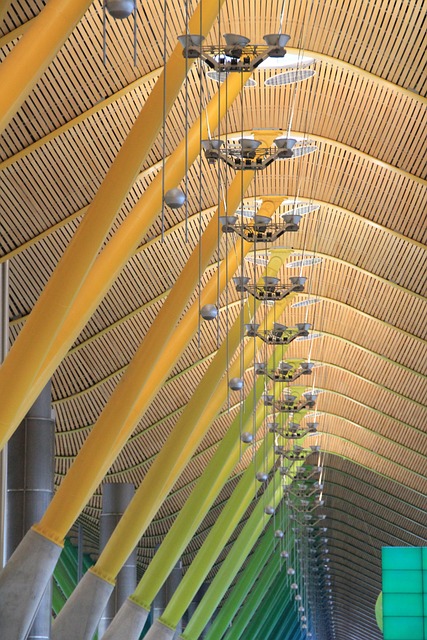








Choosing between Glue Laminated Beams (GLBs) and Engineered Wood Beams (EWBs) depends on project needs. GLBs offer superior strength for heavy loads but are more expensive. EWBs are versatile, cost-effective, and suitable for complex designs. Key considerations include structural demands, budget, aesthetic preferences, and environmental impact. Consulting engineers is crucial to ensure the best beam type selection for structural integrity, cost-effectiveness, and efficient project completion.
In the construction industry, selecting the right building materials can significantly impact project costs and structural integrity. When comparing Glue Laminated Beam vs. Engineered Wood Beam projects, a thorough cost analysis is essential for informed decision-making. Both options offer unique advantages in terms of strength, aesthetics, and sustainability, but they differ notably in processing, pricing, and application. This article delves into the intricate details of these material choices, providing an authoritative guide to help professionals navigate the complexities of modern construction projects. By the end, readers will gain a comprehensive understanding of the cost implications associated with each option.
- Understanding Glue Laminated Beam vs. Engineered Wood Beam
- Material Composition and Properties Comparison
- Cost Breakdown: Production and Manufacturing Expenses
- Installation Processes: Time and Labor Considerations
- Structural Integrity and Performance Analysis
- Environmental Impact and Sustainability Perspective
Understanding Glue Laminated Beam vs. Engineered Wood Beam

Glue Laminated Beams vs. Engineered Wood Beams: A Comparative Analysis
In the realm of structural engineering and construction, the choice between glue laminated beams and engineered wood beams is a critical decision that can significantly impact project outcomes. These two materials, while both derived from timber, possess distinct characteristics that render them suitable or unsuited for different applications. Understanding their differences, especially in terms of structural comparison, is essential for engineers, architects, and builders seeking to optimize design, efficiency, and cost-effectiveness.
Engineered wood beams are created by bonding multiple layers of lumber together with glue, forming a composite that enhances strength and dimensional stability. This process allows for longer spans, reduced weight, and superior resistance to warping or splitting compared to traditional solid lumber. Glue laminated beams, on the other hand, involve laminating individual strips of timber to create a beam, typically with a higher load-bearing capacity than engineered wood. The lamination process involves advanced gluing techniques that enhance structural integrity, making glue laminated beams particularly well-suited for heavy-load applications and complex architectural designs.
When considering cost, engineered wood beams often present a more economical option due to their efficient use of material and reduced waste. They are versatile, offering similar strength and durability to glue laminated beams but at a lower price point. Glue laminated beams, while slightly more expensive, provide exceptional strength-to-weight ratios and can handle significantly heavier loads, making them ideal for high-rise buildings or structures requiring substantial bearing capacity.
The choice between these two beam types ultimately depends on project specifics, including load requirements, span distances, aesthetic preferences, and budget constraints. For instance, in residential construction where cost efficiency is paramount, engineered wood beams might be the preferred choice. Conversely, commercial projects demanding exceptional structural integrity and longer spans could benefit more from glue laminated beams.
To make an informed decision, professionals should consult with engineers and consider factors like building codes, local regulations, and long-term sustainability goals. For instance, give us a call at (607) 369-9341 to discuss tailored solutions for your specific project needs. By understanding the unique advantages of each material, builders can select the optimal beam type, ensuring structural integrity, cost-effectiveness, and efficient project completion.
Material Composition and Properties Comparison

The choice between glue laminated beams and engineered wood beams is a critical decision in modern construction, with each offering unique advantages and properties. Let’s delve into the structural comparison of these two innovative beam solutions.
Glue Laminated Beams vs Engineered Wood: A Structural Comparison
Glue laminated beams, as the name suggests, are created by laminating multiple pieces of wood together with high-strength glues, resulting in a single, incredibly strong timber element. This process enhances the natural strength and stiffness of wood, making it ideal for carrying heavy loads. On the other hand, engineered wood beams are designed to mimic traditional solid lumber but with enhanced properties. These beams are made from various layers of wood veneers or strands bonded together under pressure. This construction provides excellent dimensional stability and strength while offering a more consistent product than natural lumber.
When comparing these two options, engineers and builders find that glue laminated beams excel in terms of strength and durability. They can support significant loads and are less prone to warping or splitting due to their uniform composition. Engineered wood beams, however, provide exceptional versatility in architectural designs. Their ability to be cut, shaped, and installed with relative ease makes them a preferred choice for complex structural layouts.
In terms of cost, the analysis is nuanced. While glue laminated beams may initially appear more expensive, their superior strength often translates into reduced material requirements and long-term savings. Engineered wood, with its consistent performance and ease of installation, can be a more economical option for certain projects, especially when considering the potential for faster construction timelines. The choice between these two should be guided by specific project needs, budget constraints, and structural engineering recommendations, with the ultimate goal of ensuring structural integrity and long-lasting building performance.
For instance, in green architecture, engineered wood beams are gaining popularity due to their environmental benefits. The use of advanced gluing techniques allows for efficient resource utilization, reducing waste compared to traditional solid lumber. Furthermore, the longevity of glue laminated beams, estimated at up to 50 years or more, makes them a sustainable choice for long-term infrastructure projects.
In summary, both glue laminated and engineered wood beam solutions offer significant advantages in modern construction. Understanding their unique properties and applications is essential for professionals to make informed decisions that cater to the specific demands of any building project. For tailored advice and expert guidance, contact us at (607) 369-9341 to explore how these materials can contribute to your next construction endeavor.
Cost Breakdown: Production and Manufacturing Expenses

In the realm of structural engineering, the choice between glue laminated beams and engineered wood beams is a crucial decision with significant implications for project costs, durability, and design flexibility. When comparing production and manufacturing expenses, both options present unique advantages and considerations.
Glue Laminated Beams vs. Engineered Wood: Structural Comparison
Glue laminated beams, crafted from multiple layers of wood veneers bonded together with strong adhesives, offer superior strength and dimensional stability. This process allows for the utilization of various wood species, enhancing structural capabilities while ensuring a consistent supply chain. On the other hand, engineered wood beams, such as those made from glulam or I-joists, are designed to replace traditional solid lumber in beam applications. These products are created through innovative engineering techniques, combining multiple wood strands, veneers, or flakes with glue to form strong and lightweight structural elements.
Cost Analysis: Glue Laminated vs. Engineered Wood Beams
In terms of production costs, glue laminated beams generally exhibit higher expenses due to the specialized manufacturing process involving advanced laminating equipment and high-performance adhesives. However, their superior strength often justifies these costs, especially in applications requiring long spans or heavy loads. Engineered wood beams, while typically less expensive than glued laminated beams, offer competitive pricing and exceptional performance, making them a cost-effective alternative for many projects. For instance, I-joists have demonstrated significant savings in both material and labor costs compared to traditional solid lumber, with some studies showing up to 30% reduction in overall structural framing expenses.
Choosing Between Engineered Wood and Laminated Beams: A Balanced Approach
When selecting the appropriate beam type, engineers and architects must consider project-specific requirements, budget constraints, and design preferences. Engineered wood beams provide versatility, cost efficiency, and enhanced structural integrity, making them ideal for residential and commercial applications alike. Glue laminated beams, while more expensive, offer unparalleled strength and dimensional stability, suitable for demanding architectural projects and heavy-load scenarios. For instance, in complex span requirements or high-end architectural designs, glued laminated beams might be the preferred choice due to their exceptional performance characteristics.
Visit us at 18 Clifton St, Unadilla, NY 13849 to explore innovative solutions tailored to your construction needs, leveraging the latest advancements in structural engineering for efficient and sustainable projects.
Installation Processes: Time and Labor Considerations

The installation processes of Glue Laminated Beams (GLB) and Engineered Wood Beams (EWB) offer distinct advantages and considerations, with each method presenting unique time and labor implications. GLBs, constructed by laminating multiple layers of wood with strong glues, involve specialized machinery for manufacturing and precise cutting to ensure structural integrity. Installation typically requires skilled labor for detailing connections and ensuring proper alignment, adding to the overall labor cost. On the other hand, EWBs, derived from high-density fiberboard or plywood, are fabricated off-site, offering consistency in dimensions and quality. Their installation often involves less specialized labor since they can be handled and installed by general carpenters, potentially reducing labor expenses.
When comparing structural integrity, GLBs excel due to their ability to span longer distances without support and handle heavy loads with superior strength-to-weight ratios. This makes them ideal for large-scale projects where minimizing column placement is crucial. Conversely, EWBs provide exceptional load-bearing capacity and dimensional stability, making them a top choice for complex architectural designs that demand intricate beam layouts. Their versatility allows for easier customization to meet specific design requirements without compromising structural integrity.
In terms of cost analysis, the financial implications of GLBs versus EWBs depend on various factors, including project scale and complexity. Generally, GLBs can be more expensive per linear foot due to the advanced manufacturing process and specialized glues used. However, their superior strength often translates into reduced material requirements, potentially offsetting initial costs. In contrast, EWBs may offer lower upfront expenses, especially for smaller projects, as they are readily available and easier to install. For eco-conscious builders, both options present sustainable advantages; GLBs contribute to fewer waste streams due to their precision manufacturing, while EWBs can be recycled or reclaimed at the end of a structure’s life, aligning with modern green architecture principles.
To navigate this choice effectively, engineers and builders should consider project specifics, structural demands, budget constraints, and design preferences. For instance, when designing a modern high-rise, GLBs might be the superior option for their ability to maintain consistent strength across multiple stories. Conversely, in a residential renovation with limited access and specific design requirements, EWBs could provide a more practical, cost-effective, and versatile solution. Ultimately, choosing between these advanced beam technologies requires a nuanced understanding of project needs, ensuring structural efficiency, durability, and economical benefits.
Structural Integrity and Performance Analysis

When comparing Glue Laminated Beams vs Engineered Wood Beams for structural integrity and performance, a deeper analysis reveals distinct advantages and use cases for each. Engineered Wood Beams are created by gluing together multiple layers of dimensional lumber, forming a single component with superior strength and stability. This process enhances the natural properties of wood, making it more resistant to warping and splitting. Key benefits include enhanced structural performance, especially under load, and improved dimensional accuracy compared to traditional lumber choices.
Glue Laminated Beams, on the other hand, involve gluing together strands, veneers, or laminations of wood to create a beam with exceptional strength and durability. This technique allows for larger spans, lighter weights, and more efficient use of materials. The lamination process creates a uniform structure that excels in bearing heavy loads, making it ideal for modern construction demands. Advanced glues used in this process further strengthen the beams, outperforming traditional joinery methods significantly.
The structural comparison highlights key differences. Engineered Wood Beams offer consistent strength across their entire length, while Glue Laminated Beams can be optimized for specific load paths, providing targeted reinforcement where needed. For applications requiring extreme strength and longevity, like high-rise structures or complex architectural plans, Glue Laminated Beams often prove superior. However, Engineered Wood Beams provide a more versatile solution for various construction needs, from residential to commercial projects, thanks to their ease of installation and design flexibility.
Choosing between these options depends on project requirements. For instance, if cost-effectiveness and rapid installation are priorities, Engineered Wood Beams might be the better choice. Conversely, when structural integrity, span capabilities, and load resistance take precedence, Glue Laminated Beams offer a more robust solution. To make an informed decision, consider visiting us at 18 Clifton St, Unadilla, NY 13849 for expert guidance tailored to your specific needs.
Environmental Impact and Sustainability Perspective

In comparing Glue Laminated Beams vs. Engineered Wood Beams from an environmental impact and sustainability perspective, both options offer distinct advantages and considerations. Glue laminated beams, constructed by gluing together multiple layers of wood, boast superior strength-to-weight ratios and can span greater distances than traditional wooden joists. This makes them ideal for modern architectural designs that demand larger, more open spaces. Moreover, the laminating process allows for the use of lower-grade timber, reducing waste compared to solid lumber choices.
Engineered wood beams, on the other hand, are designed by bonding together strands or veneers of wood with resins under high pressure. This manufacturing method not only enhances structural performance but also preserves more of the natural resource. Engineered wood offers benefits like improved dimensional stability, resistance to splitting, and enhanced durability against moisture and pests. In terms of cost, glue laminated beams generally have a lower upfront price, while engineered wood beams may be slightly more expensive initially but can provide long-term savings due to reduced maintenance and increased longevity.
When considering the broader environmental picture, engineered wood emerges as a clearer choice. The use of advanced gluing techniques reduces the need for chemical treatments, minimizing the potential ecological impact. Additionally, engineered wood is readily recyclable, contributing to a circular economy. For instance, a study by the National Association of Lumber (unalam.com) found that engineered wood beams can have a lower carbon footprint than glue laminated beams due to their efficient use of resources and reduced energy consumption during manufacturing. Ultimately, the choice between these two innovative beam types should be guided by specific project needs, budget constraints, and a commitment to sustainable building practices.
The comparative analysis of Glue Laminated Beams (GLB) and Engineered Wood Beams (EWB) reveals distinct advantages and considerations for construction projects. Key insights include material property differences, with GLB offering superior strength-to-weight ratios and EWB showcasing enhanced dimensional stability. Cost-wise, production expenses vary significantly, GLB having higher initial costs but potential long-term savings due to reduced waste. Installation times and labor requirements differ subtly, each method presenting unique efficiency gains. Structural integrity tests underscore the comparable performance of both beam types under varying loads. Environmentally, EWB leads in sustainability due to lower embodied energy and material consumption. Moving forward, project managers should weigh these findings when selecting beams based on specific structural demands, cost constraints, and environmental goals, leveraging the advantages of GLB and EWB for optimized construction outcomes.