






Choosing between Glue Laminated Beams (GLB) and Engineered Wood Beams (EWB) depends on project needs, budget, and environmental goals. GLBs offer superior strength, rigidity, and uniform dimensions but are more expensive. EWBs are lightweight, cost-effective, and versatile, suitable for many applications with better initial affordability. EWBs promote sustainability through efficient material use and reduced logging practices. For heavy loads and large spans, GLBs excel. For most construction needs, EWBs provide design flexibility and integrity. Consider structural demands, span distance, load bearing, budget, and environmental impact for the best choice.
In the realm of construction, the choice between Glue Laminated Beams and Engineered Wood Beams can significantly impact project costs and structural integrity. Both options offer unique advantages, but a thorough cost analysis is crucial to make informed decisions. This article delves into the intricate details of these two materials, providing an authoritative guide for professionals navigating this complex landscape. By comparing production methods, material properties, and installation complexities, we aim to equip readers with the knowledge to optimize their projects’ financial and structural outcomes. Let’s explore the nuances and unlock the secrets to successful beam selection.
- Understanding Material Basics: Glue Laminated Beam vs. Engineered Wood
- Project Requirements & Considerations for Each Beam Type
- Cost Breakdown: Comparing Production, Installation, and Longevity Expenses
- Environmental Impact and Sustainability: A Closer Look at Wood Alternatives
Understanding Material Basics: Glue Laminated Beam vs. Engineered Wood

When comparing Glue Laminated Beams vs. Engineered Wood Beams, understanding the material basics is paramount. Glue laminated beams are created by bonding multiple layers of wood together with strong adhesives, forming a single, incredibly strong structural element. This process differs significantly from traditional wooden joists, enhancing their load-bearing capacity and dimensional stability. On the other hand, engineered wood beams are designed to meet specific structural requirements and often incorporate various wood species or composites for optimized performance.
One of the key advantages of glue laminating is its ability to produce uniform and precise dimensions, ensuring consistent quality in beam construction. This method surpasses traditional joinery techniques in terms of strength and durability, as glued connections can withstand considerable stress without compromising integrity. Engineered wood, with its diverse applications, offers benefits like reduced weight, enhanced workability, and improved resistance to environmental factors, making it a versatile choice for modern architectural designs.
In terms of cost analysis, glue laminated beams generally have a higher upfront cost due to the specialized manufacturing process. However, their longevity and superior structural integrity can lead to long-term savings by reducing the need for frequent repairs or replacements. Engineered wood, while potentially more affordable initially, may require additional treatments or finishes to achieve equivalent durability in certain applications. When considering beam construction, experts recommend evaluating project needs, budget, and environmental factors to determine whether glue laminated or engineered wood solutions are most suitable. Give us a call at (607) 369-9341 for personalized guidance on your specific project requirements.
Project Requirements & Considerations for Each Beam Type

In the realm of structural engineering, the choice between glue laminated beams and engineered wood beams is a crucial decision, heavily influenced by project requirements and considerations. Let’s delve into the specifics of each beam type, highlighting their unique attributes and applications.
Glue Laminated Beams vs. Engineered Wood: Structural Comparison
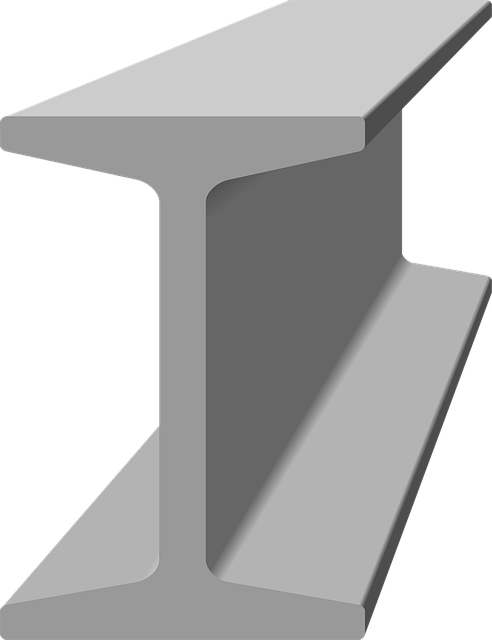
Glue laminated beams are created by gluing together multiple layers of wood strips or boards, oriented in a cross-grain pattern. This process yields exceptionally strong, rigid structures with high load-bearing capacity. Conversely, engineered wood beams encompass various composite wood products designed to meet specific structural performance criteria. These include I-beams, laminates, and glulaminated timber, all engineered for enhanced strength and stability.
Engineered Wood Beams: Benefits Explained
The primary advantage of engineered wood beams over traditional lumber choices is their versatility and predictability. They can be designed to span longer distances, handle heavier loads, and resist deflection better than solid lumber of the same thickness. This makes them ideal for modern architectural designs that demand complex beam layouts. Moreover, engineered wood is available in a wide range of sizes and configurations, allowing for precise design and minimal waste.
Strength and Durability of Glued Laminated Timber
Glued laminated timber stands out for its exceptional strength-to-weight ratio. The cross-grain orientation of the laminar layers distributes stresses efficiently, ensuring structural integrity even under severe loads. This makes glue laminated beams a superior choice for high-span applications and projects requiring significant structural support.
Choosing Between Engineered Wood and Laminated Beams
The decision between these two beam types hinges on project specifics. Engineered wood beams offer advantages in terms of span capability, load resistance, and design flexibility. They are particularly suited for complex architectural plans and green building projects due to their environmental benefits. On the other hand, glue laminated beams excel in high-load applications, providing unparalleled structural integrity and longevity.
Cost Analysis: Glue Laminated vs. Engineered Wood Beams
When considering cost, engineered wood beams often provide a more economical solution for mid-span applications where their superior strength is not fully leveraged. Glue laminated beams, however, can be competitive or even more affordable for projects demanding extreme load resistance and span capabilities. A detailed analysis should weigh these factors against your project’s unique structural demands.
Visit us at unalam.com for in-depth insights into advanced beam design and construction techniques.
Cost Breakdown: Comparing Production, Installation, and Longevity Expenses

In the realm of structural construction, the choice between glue laminated beams and engineered wood beams can significantly impact project costs and longevity. Let’s delve into a detailed cost analysis, considering production, installation, and durability aspects.
Production Costs: Glue laminated beams involve advanced manufacturing processes where high-strength glues bind multiple layers of timber, creating a single robust element. This method is more labor-intensive and requires specialized equipment compared to the conventional production of engineered wood beams. Consequently, glue laminated beams often carry a higher upfront cost. In contrast, engineered wood beams are designed using computer-aided engineering (CAE) simulations to optimize material usage and reduce waste. This precision engineering leads to lower production expenses, making them a more economical choice for many projects.
Installation Considerations: When comparing installation costs, glue laminated beams exhibit both advantages and disadvantages. On the positive side, their uniform strength across the entire beam simplifies installation processes. However, due to their size and weight, specialized equipment may be required, adding to labor expenses. Engineered wood beams, with their lighter weight and more straightforward design, are typically easier to handle during installation. Standard tools and techniques can often suffice, reducing overall installation costs.
Longevity Expenses: In terms of durability, glue laminated timber stands out for its exceptional strength-to-weight ratio and resistance to environmental factors. These beams can withstand heavy loads and extreme weather conditions, ensuring a longer lifespan. Conversely, while engineered wood beams are designed for longevity, their performance in specific applications may vary based on the quality of materials and construction techniques used. On average, glue laminated beams offer a slight edge in terms of long-term structural integrity, potentially reducing replacement costs over time.
When making a choice between these two options, it’s crucial to consider the project’s specific structural demands, budget constraints, and desired lifespan. For instance, in high-load applications or projects demanding intricate architectural designs, engineered wood beams’ versatility and cost-effectiveness may prove superior. In contrast, glue laminated beams shine in heavy construction tasks and scenarios where maximum strength and durability are non-negotiable. For those seeking a sustainable building solution, both options offer eco-friendly alternatives to traditional lumber, with glue lamination holding slight advantages in terms of waste reduction and material efficiency.
Remember that the decision should be guided by professional advice tailored to your project’s unique requirements. Visit us at 18 Clifton St, Unadilla, NY 13849 for expert insights and guidance on choosing the ideal beam solution.
Environmental Impact and Sustainability: A Closer Look at Wood Alternatives

In the realm of structural engineering, the choice between glue laminated beams and engineered wood beams is a crucial decision with significant environmental and sustainability implications. Let’s delve into the structural comparison between these two alternatives, starting with understanding their fundamental differences.
Glue Laminated Beams vs. Engineered Wood: A Structural Analysis
Glue laminated beams are created by bonding multiple layers of dimensional lumber together with high-strength adhesives, forming a single, strong timber element. This process enhances the natural strength and stiffness of wood, making it suitable for supporting heavy loads. On the other hand, engineered wood beams are manmade products designed to mimic the structural attributes of solid lumber but with enhanced properties. These beams are typically made from a variety of softwood species glued together in specific orientations to achieve optimal strength and dimensional stability.
Environmental Considerations: A Closer Look at Sustainability
When comparing glue laminated beams vs. engineered wood, sustainability emerges as a key factor. Engineered wood solutions offer several advantages over traditional lumber choices. First, they require less raw material since only a small amount of wood is needed to create a beam with exceptional strength. This efficiency contributes to reduced deforestation and minimizes the environmental footprint associated with logging. Furthermore, engineered wood can be produced using sustainable forestry practices, ensuring a consistent supply without depleting natural resources. In contrast, glue laminated beams, while strong, may still rely on intensive forest harvesting methods and contribute to carbon emissions during production.
Cost Analysis: Weighing the Economic Factors
In terms of cost-benefit analysis, engineered wood beams often prove more economical than glue laminated alternatives. Engineered wood is generally less expensive due to its efficient manufacturing process and reduced material requirements. This affordability makes it an attractive option for both commercial and residential construction projects on a tight budget. Moreover, the versatility of engineered wood allows for creative architectural designs without compromising structural integrity or increasing costs significantly.
Choosing Between Two Powerful Options
The decision between glue laminated beams and engineered wood depends on various factors. For applications requiring extreme strength and large spans, glue laminated beams might be the preferred choice due to their exceptional load-bearing capacity. However, for most construction needs, especially when cost efficiency and design flexibility are priorities, engineered wood beams offer a superior solution.
Given the growing demand for sustainable building practices, engineered wood has emerged as a game-changer in modern construction. By prioritizing environmental stewardship and structural performance, builders and architects can create durable, aesthetically pleasing spaces while minimizing their ecological impact. For expert guidance on selecting the right beam type for your project, don’t hesitate to reach out to our team at (607) 369-9341.
In comparing Glue Laminated Beams and Engineered Wood Beams, this article offers a comprehensive analysis that guides informed decisions for construction projects. Key insights reveal that Glue Laminated Beams excel in structural integrity and efficiency, while Engineered Wood Beams provide versatility and cost-effectiveness. The cost breakdown highlights significant differences in production and installation expenses, with Engineered Wood often surpassing Glue Laminated Beams in value. Longevity is another critical factor, as Glue Laminated Beams demonstrate superior durability. Environmental considerations underscore the growing demand for sustainable wood alternatives, with Engineered Wood emerging as a viable eco-friendly option. Practical next steps involve thorough project requirement assessments and cost-benefit analyses to determine the most suitable beam type, ensuring optimal structural performance, financial efficiency, and environmental responsibility.