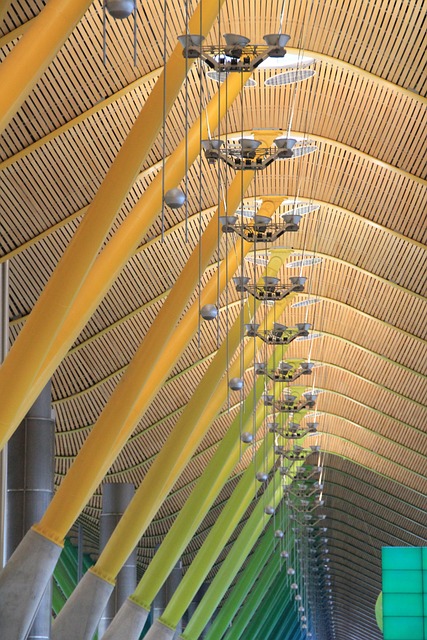








Glue Laminated Beams (GLB) vs. Engineered Wood Beams (EWB): GLBs use lamination with strong glues to offer superior strength, durability, and load-bearing over traditional lumber. EWBs are engineered for specific structural needs, providing consistent strength. GLBs excel in residential architecture for open concepts & sustainability. Commercial construction benefits from GLBs' heavy load support, complex design capability, and reduced waste. Visit 18 Clifton St, Unadilla, NY for expert guidance on beam selection.
“Glue laminated beams, a modern engineering marvel, offer unparalleled strength and versatility in construction. This article delves into the world of these engineered wood solutions, comparing them to traditional alternatives like Engineered Wood Beams (EWBs). From residential structures to commercial complexes, laminated beams are transforming the built environment. We explore their unique properties, advantages, and diverse applications, highlighting how they provide efficient, sustainable, and aesthetically pleasing structural options.”
- Understanding Glue Laminated Beams: Properties and Advantages
- Engineered Wood Beam: Traditional vs. Modern Alternatives
- Residential Applications: Benefits and Use Cases of Laminated Beams
- Commercial Projects: Exploring Innovative Uses and Design Possibilities
Understanding Glue Laminated Beams: Properties and Advantages

Glue Laminated Beams, often referred to as Glued Engineered Wood, represent a significant advancement in structural building materials. Unlike traditional wooden joists or solid lumber, Glue Laminated Beams vs. Engineered Wood Beam offer enhanced strength and durability through their manufacturing process. The lamination technique involves bonding multiple layers of timber with high-quality glues, creating a composite beam that outperforms its counterparts in terms of load-bearing capacity and resistance to environmental factors.
One of the key advantages of Glue Laminated Beams is their structural integrity. They can withstand heavy loads and provide consistent performance over time, making them ideal for both residential and commercial projects. Moreover, the laminating process allows for a greater variety of designs and shapes, catering to modern architectural demands. For instance, engineered wood beams can be tailored to fit complex plans without compromising on structural soundness. By visiting us at 18 Clifton St, Unadilla, NY 13849 anytime, you can explore these innovative solutions firsthand, ensuring your projects benefit from the latest in timber construction technology.
Engineered Wood Beam: Traditional vs. Modern Alternatives

Engineered Wood Beams: Modern Alternatives to Traditional Lumber
In the realm of construction, the choice between glue laminated beams and engineered wood beams is a significant one, offering distinct advantages and considerations for various projects. Glue Laminated Beams vs. Engineered Wood: this comparison delves into the structural differences and benefits each provides. In terms of construction, glue laminated beams are created by bonding multiple layers of lumber together with strong adhesives, resulting in a single, robust element. This modern approach surpasses traditional joinery methods, enhancing structural integrity and load-bearing capacity.
On the other hand, engineered wood beams, or glulam, are designed to meet specific structural requirements through advanced engineering techniques. These timber components can be designed for unique span lengths and loads, making them versatile for both residential and commercial applications. What sets engineered wood apart is its ability to provide consistent strength across different scales, from small-span projects to complex architectural designs. When considering cost analysis, glulam may offer competitive pricing, especially in large-scale construction. Visit us at 18 Clifton St, Unadilla, NY 13849 anytime for expert insights on choosing the best beam type for your project.
Residential Applications: Benefits and Use Cases of Laminated Beams

Residential Applications: Benefits and Use Cases of Laminated Beams
In residential construction, glue laminated beams offer significant advantages over traditional engineered wood beams, or even solid lumber joists. The structural comparison between Glue Laminated Beams vs Engineered Wood highlights their superior strength and durability. What sets these beams apart is the lamination process where multiple layers of timber are glued together, creating a robust composite material. This method enhances the overall integrity of the beam, enabling them to support heavy loads efficiently.
One of the key benefits of engineered wood beams is their versatility in architectural designs. They can accommodate complex layouts and unique design elements with ease. For instance, when designing an open-concept living space or a modern, minimalist home, engineered wood beams can provide both structural support and aesthetic appeal. Moreover, glue lamination offers a sustainable building solution as it utilizes timber resources efficiently, reducing waste. To discuss your beam construction needs, give us a call at (607) 369-9341.
Commercial Projects: Exploring Innovative Uses and Design Possibilities

Commercial projects have embraced the innovative potential of glue laminated beams, opening up new design possibilities and structural solutions. Unlike traditional engineered wood beams, which are made from multiple layers of wood veneers bonded together, glue laminated beams use a different approach. The process involves laminating individual pieces of timber with high-performance glues, creating a single, incredibly strong element. This method offers several advantages over conventional wooden joists.
In terms of structural comparison, glue laminated beams excel in strength and durability, making them ideal for supporting heavy loads in commercial structures. Their versatility is evident in modern construction, where they can be tailored to complex architectural designs. Moreover, these beams are a sustainable building solution, as the lamination process reduces waste compared to traditional wood fabrication techniques. For instance, engineers often use advanced calculations to determine the load capacity of glued beams, ensuring optimal structural integrity. A case study showcasing successful implementation might highlight their benefits and provide insights from experts on choosing between glued and solid lumber for various projects, ultimately guiding readers to make informed decisions by visiting us at unalam.com.
Glue laminated beams offer a robust, sustainable solution for both residential and commercial construction, providing superior strength-to-weight ratio compared to traditional engineered wood beams. By embracing modern alternatives like glue laminated beams, builders and designers can unlock innovative design possibilities while ensuring structural integrity and efficiency across various projects. When comparing glue laminated beams to their Engineered Wood Beam counterparts, the former’s enhanced properties make them a compelling choice for today’s evolving construction landscape.