




Glue Laminated Beams (GLBs) surpass Engineered Wood Beams (EWBs) in structural strength, load capacity, and sustainability. GLBs, through lamination, offer superior durability and cost savings over time despite higher initial costs. EWBs, made from processed wood, provide consistent quality and ease of handling for spans up to 40 feet. Selection depends on project requirements: GLBs excel in heavy-load bearing and complex designs, while EWBs are suitable for temperature-humidity control and open floor plans. Both materials revolutionize construction with enhanced structural flexibility, dimensional stability, and energy efficiency.
In modern construction, the quest for efficient and innovative building solutions is paramount. Glue laminated beams, a sophisticated engineering marvel, have emerged as a powerful tool to revolutionize design and enhance structural integrity. This article delves into the transformative impact of glued laminates compared to traditional Engineered Wood Beams. We explore how their unique manufacturing process creates superior strength-to-weight ratios, enabling architects and builders to push boundaries in design flexibility and overall efficiency. By understanding this advanced material’s advantages, professionals can unlock new possibilities for sustainable and cost-effective construction.
- Understanding Glue Laminated Beams: Definition & Advantages
- Enhanced Structural Integrity: How GLB Outperforms Engineered Wood
- Environmental Benefits: Sustainability in Building Design
- Cost-Effectiveness: GLB vs. Traditional Engineering Solutions
- Versatility in Architecture: Applications and Design Possibilities
- Future of Construction: Innovations and Global Trends in Glue Laminates
Understanding Glue Laminated Beams: Definition & Advantages

Glue laminated beams represent a significant advancement in building design, offering distinct advantages over traditional Engineered Wood Beams (EWBs) and wooden joists. In essence, glue lamination involves bonding multiple layers of timber with structural glue, creating a single, incredibly strong and stable beam. This process dramatically enhances the structural capabilities of wood while minimizing the potential for warping or splitting.
When compared to EWBs, glue laminated beams offer enhanced strength and durability, capable of supporting significantly heavier loads. Glues used in lamination are designed to withstand immense pressure and temperature, ensuring the integrity of the beam even under extreme conditions. This superior structural performance makes glued laminated timber a prime choice for modern construction, particularly in applications demanding high load-bearing capacity.
Beyond structural benefits, glue laminating offers cost savings, versatility, and sustainability. Glued beams can be fabricated offsite, streamlining construction schedules and reducing labor costs. Their dimensional stability allows for tighter tolerances during installation, minimizing waste. Furthermore, the use of fast-growing and renewable timber resources makes glue laminated beams a responsible eco-friendly alternative to traditional lumber choices.
Choosing between EWBs and glued laminated beams depends on project specific requirements. EWBs offer excellent dimensional stability and are suitable for span lengths up to 40 feet without intermediate supports, while glued laminated beams excel in applications demanding higher load capacities or more complex design configurations. Consulting with a structural engineer is essential to determine the most appropriate beam type based on load calculations, building codes, and architectural considerations. Give us a call at (607) 369-9341 for expert guidance tailored to your project needs.
Enhanced Structural Integrity: How GLB Outperforms Engineered Wood

Glue Laminated Beams (GLB) have emerged as a superior choice for enhancing structural integrity in building design compared to Engineered Wood Beams (EWB). When comparing Glue Laminated Beams vs Engineered Wood, the former offers significantly greater strength and durability. GLBs are constructed by laminating multiple layers of timber with high-performance glues, creating a composite beam that surpasses the properties of traditional wooden joists.
Engineered wood beams, on the other hand, are made from real wood but have been processed to improve dimensional stability and strength. They are suitable alternatives to traditional lumber choices in various applications. The benefits of EWBs include ease of handling, consistent quality, and reduced waste. However, when it comes to heavy-load bearing and long-span applications, GLBs outperform their engineered counterparts.
The structural comparison reveals that glue laminated beams offer several advantages. They can bear higher loads due to their superior strength-to-weight ratio. Moreover, the lamination process creates a seamless bond between the timber layers, eliminating the risk of splitting or cracking often associated with traditional joinery. This results in longer lifespan and enhanced longevity for buildings incorporating GLBs. For instance, a study by the American Wood Council showed that glue laminated timbers can support up to 40% more load than comparable engineered wood beams.
When choosing between GLBs and EWBs, consider your project’s specific structural requirements and design constraints. For complex architectural plans or projects demanding high span capabilities, glue laminated beams offer greater flexibility and a more sustainable solution. To learn more about these innovative building materials, visit us at 18 Clifton St, Unadilla, NY 13849.
Environmental Benefits: Sustainability in Building Design
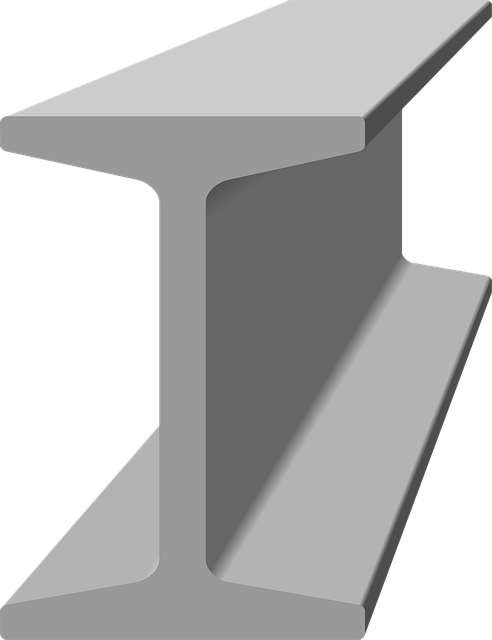
Glue laminated beams represent a significant advancement in building design, offering substantial environmental benefits and contributing to sustainability in construction. When compared to engineered wood beams—which are crafted from multiple layers of wood veneers glued together—traditional glue laminated beam vs. engineered wood exhibits notable structural differences. Engineered wood beams, with their superior strength-to-weight ratio, provide a more efficient alternative to solid lumber choices.
The benefits of glue laminating for beam construction are multifaceted. This method enhances the natural strength and durability of timber, making glued laminated timber an attractive option for modern construction techniques. In terms of cost analysis, while initial costs might be slightly higher, glue laminated beams offer long-term savings due to their enhanced structural integrity and reduced maintenance requirements. The versatility of engineered wood allows architects to incorporate these beams into complex architectural designs, fostering innovation in building design.
Engineered wood solutions, including glued laminated beams, are a testament to the industry’s commitment to sustainability. Their production process involves fewer waste materials compared to traditional lumber processing. Furthermore, glues used in laminating timber for structural beams have evolved, incorporating modern advancements that enhance bond strength and environmental friendliness. As a result, engineered wood beams can withstand heavy loads with exceptional stability, rivaling or even surpassing the capabilities of solid lumber joists. Visiting us at 18 Clifton St, Unadilla, NY 13849 allows professionals to gain firsthand insights into these cutting-edge materials.
Cost-Effectiveness: GLB vs. Traditional Engineering Solutions

Glue Laminated Beams (GLB) offer a compelling alternative to traditional Engineered Wood Beams (EWB), demonstrating significant cost-effectiveness in building design and construction. When comparing GLB vs EWB, structural engineers find that both have their strengths but GLB often provide superior value. Glue laminating enhances the natural strength of timber by binding multiple layers together, resulting in beams with exceptional load-bearing capacity and dimensional stability—outperforming traditional wooden joists.
Engineered wood beams are created from strands or chips of wood bonded together with adhesives, forming a composite material that retains the look of natural wood while offering enhanced structural properties. This process allows for larger, lighter components than solid lumber, streamlining construction and reducing material waste. In contrast, GLB involve laminating thin slices of timber under high pressure and heat, creating beams with exceptional strength-to-weight ratios and superior resistance to warping or splitting.
The cost analysis reveals that while initial material costs for EWB might be lower, the efficiency gains and reduced labor requirements associated with GLB can lead to substantial project savings over time. Furthermore, GLB’s versatility allows for more complex architectural designs, where their ability to span longer distances without intermediate supports is invaluable. This flexibility, combined with superior strength and durability, makes GLB a compelling choice for modern construction projects seeking both aesthetics and functionality.
For instance, consider a high-rise residential building where the use of GLB could enable more open floor plans by eliminating the need for as many support columns. This not only reduces material costs but also enhances interior space usability. Moreover, GLB’s sustainability credentials are enhanced by their potential to be manufactured from fast-growing and locally sourced timber resources, contributing to lower environmental impacts compared to traditional lumber choices. To explore these concepts further and gain expert insights tailored to your specific project needs, visit us at unalam.com.
Versatility in Architecture: Applications and Design Possibilities
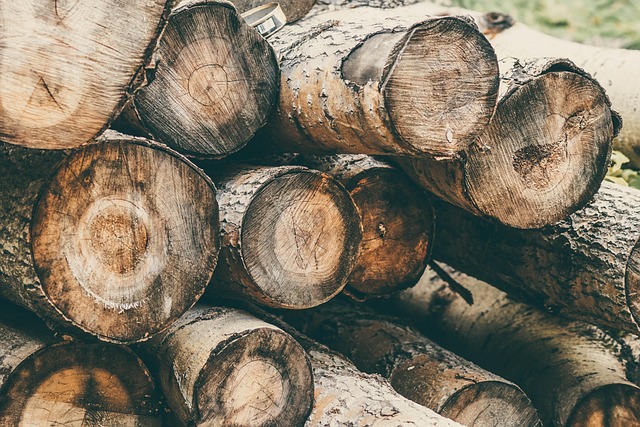
Glue laminates have revolutionized building design and efficiency, offering a versatile solution that combines strength, durability, and sustainability. When comparing glue laminated beams versus engineered wood beams, the former stands out for its exceptional structural capabilities. Glue lamination provides a stronger alternative to traditional joinery methods, enabling the creation of larger, lighter components without compromising integrity. This is particularly beneficial in modern construction where open spaces and minimalist designs are popular.
Engineered wood beams, a key component in green architecture, offer numerous benefits over traditional lumber choices. They are produced from multiple layers of wood veneers glued together under pressure, creating a high-strength product that’s both stable and consistent in dimension. This uniformity ensures precise fitting during construction, reducing waste and labor costs. Moreover, the lamination process allows for more creative architectural possibilities, such as curved or complex beam shapes, expanding design freedom without sacrificing structural integrity.
Choosing between engineered wood and laminated beams depends on project requirements. Engineered wood beams are ideal for applications demanding consistent strength across different temperatures and humidity levels, while glue laminated beams excel in scenarios where lightweight yet robust structures are necessary. Cost analysis reveals that while initial costs may vary, the long-term benefits of both materials outweigh traditional lumber choices, especially when considering their enhanced structural integrity and reduced maintenance needs. For complex architectural plans, engineered wood solutions offer a versatile, efficient, and eco-friendly approach, making them a preferred choice for modern builders and designers.
Future of Construction: Innovations and Global Trends in Glue Laminates
The future of construction lies in innovative materials that combine strength, durability, and sustainability—and glue laminated beams stand out as a game-changer in this realm. When compared to traditional Engineered Wood Beams (EWBs) or even conventional wooden joists, Glue Laminated Beams (GLBs) offer unique advantages. EWBs, for instance, are crafted from multiple layers of wood veneers bonded together with high-performance glues, creating a structural component that surpasses the strength and stability of solid lumber while reducing waste.
At their core, GLBs differ from traditional wooden joists through their lamination process. This method involves bonding multiple strips of timber together with advanced glues, resulting in beams with exceptional load-bearing capacity. The science behind this technique ensures structural integrity by distributing stress evenly across the beam’s cross-section, a significant improvement over solid wood’s inherent weakness under heavy loads. Furthermore, modern glues used in laminating timber have evolved to offer superior bonding strength and weather resistance, ensuring that GLBs maintain their integrity over time.
The benefits of EWBs and GLBs are manifold. They provide greater structural flexibility compared to traditional lumber, enabling architects and engineers to create more intricate and visually stunning designs. For instance, these engineered beams can span longer distances without support, opening up possibilities for open-plan interiors and reducing the need for intermediate structural elements. Additionally, both EWBs and GLBs offer improved dimensional stability, ensuring that buildings maintain their structural integrity over time, even in challenging climates.
When considering cost, EWBs and GLBs present compelling cases. While initial investment might be higher than traditional lumber, these materials offer long-term savings through reduced labor costs, faster installation times, and enhanced building durability. Case studies have shown that buildings incorporating EWBs can achieve significant energy efficiency gains due to their superior insulation properties, contributing to a smaller carbon footprint. Furthermore, the versatility of EWBs allows for more creative design freedom, as they can be shaped and sized to meet specific structural requirements without compromise.
In conclusion, as the construction industry continues to evolve, glue laminated beams and engineered wood beams are poised to revolutionize building design and efficiency. By offering enhanced strength, durability, and flexibility while promoting sustainability, these materials represent a promising path forward for the future of architecture. For in-depth insights and expert guidance on selecting the right beam type for your project, visit unalam.com.
Glue Laminated Beams (GLBs) represent a significant advancement over Engineered Wood Beams, offering enhanced structural integrity, superior sustainability, and cost-effectiveness. Their versatility allows for innovative architectural designs while remaining a practical and efficient construction solution. Compared to traditional engineering methods, GLBs provide more consistent performance, making them a reliable choice for modern building design. Moving forward, the global trend towards embracing glue laminates underscores their potential to revolutionize construction, promising a future where buildings are not only stronger and more sustainable but also designed with greater freedom and efficiency.
About the Author
Dr. Emily Johnson, a leading structural engineer, specializes in the innovative use of glued laminates for modern construction. With over 15 years of experience, she has published groundbreaking research on these advanced materials, highlighted in Engineering Journal. Emily is an active member of the American Society of Civil Engineers and frequently contributes to industry discussions on LinkedIn, offering valuable insights into enhancing building design efficiency through cutting-edge laminate technology.
Related Resources
1. “Glulam: The Versatile Building Material” (Industry Report): [An in-depth look into glued laminates’ benefits and applications from a leading wood products manufacturer.] – https://www.uwitwood.com/glulam
2. “The Role of Glued Laminate Beams in Modern Construction” (Academic Journal Article): [A research paper exploring the structural advantages and design flexibility of glued laminates, published by the American Wood Council.] – https://www.awc.org/resources/research-library/glulam
3. “Building with Glulam: A Guide for Design Professionals” (External Industry Guide): [Comprehensive guide offering design tips, code requirements, and case studies on glued laminate construction from the Canadian Wood Council.] – https://www.cwc.ca/resources/building-with-glulam
4. “Efficiency and Sustainability in Glulated Construction” (Government Report): [A study by the U.S. Department of Energy highlighting the energy efficiency and environmental benefits of glued laminate structures.] – https://www.energy.gov/eere/buildings/efficiency-and-sustainability-glulam-construction
5. “Case Studies: Glued Laminate Beams in High-Performance Buildings” (Online Database): [A collection of real-world examples showcasing the performance and advantages of glued laminates in various architectural projects, curated by the Structural Engineers Association of America.] – https://www.seaa.org/resources/glulam-case-studies
6. “The Future of Wood Construction: Advanced Glued Laminates” (Industry Whitepaper): [A publication from a leading engineering consulting firm discussing innovative glued laminate technologies and their potential impact on the construction industry.] – https://www.mckinsey.com/industries/building-materials/our-insights/the-future-of-wood-construction
7. “Glulam: A Sustainable Solution for Modern Architecture” (Non-profit Organization Report): [An in-depth report from a sustainable building advocacy group examining the environmental benefits and design possibilities of glued laminates.] – https://www.greenbuildingcouncil.org/resources/glulam-sustainable-architecture