








Choosing between Glue Laminated Beams (GLB) and Engineered Wood Beams (EWB) depends on project requirements. GLB offer superior strength and stiffness for heavy loads but are less flexible and more costly. EWB provide cost-effectiveness, faster installation, and design flexibility, making them eco-friendly choices. Key factors include budget, structural needs, environmental impact, and customization preferences. Consult experts for tailored guidance based on specific project requirements.
Choosing between glued laminates and engineered wood beams is a critical decision for structural integrity and design aesthetics in construction projects. Both options offer unique advantages, but understanding their nuances is essential to ensure optimal performance and longevity of your structure. This article provides an authoritative guide to help you navigate this selection process, highlighting the key differences between glue-laminated beams and engineered wood beams. By delving into factors like material composition, structural capabilities, environmental impact, and cost, you’ll gain the expertise needed to make an informed choice tailored to your project’s specific demands.
- Understanding Glue Laminated Beams: Properties and Advantages
- Engineered Wood Beams: Manufacturing, Types, and Benefits
- Comparing Durability and Strength: A Detailed Look
- Choosing Based on Design, Cost, and Environmental Impact
Understanding Glue Laminated Beams: Properties and Advantages

Glue Laminated Beams offer a compelling alternative to traditional Engineered Wood Beams, with distinct structural advantages. These beams are created by laminating multiple layers of wood with high-strength glues, resulting in exceptional strength and stiffness. This process significantly enhances the load-bearing capacity compared to conventional wooden joists, making glue laminated beams ideal for heavy structural loads.
In terms of a structural comparison, Glue Laminated Beams vs Engineered Wood: both are engineered timber solutions but differ in manufacturing. Engineered wood involves pressing together multiple veneers of wood with adhesives, while glued laminated beams involve layering and gluing individual boards. This difference leads to variations in their mechanical properties. For instance, glue laminated timber excels in shear strength, making it robust against lateral forces. In contrast, engineered wood beams often outperform in compressive strength, crucial for supporting vertical loads.
The benefits of Engineered Wood Beams are numerous. They offer increased dimensional stability, ensuring minimal warping or twisting over time. This characteristic simplifies design and installation processes, allowing for more flexible architectural designs. Furthermore, engineered wood can be crafted to specific dimensions, catering to unique project requirements. When considering Glue Laminated Beams vs Engineered Wood, the former may be preferred for applications demanding extreme strength and resistance to lateral loads, such as heavy-duty industrial structures or high-rise buildings.
Choosing between these options involves a careful cost analysis. While glue laminated beams can be more expensive initially, their superior strength often leads to reduced material usage and longer-term cost savings. Engineered wood, on the other hand, provides a more economical solution for standard construction projects, especially when considering its ease of installation. For complex architectural plans requiring intricate beam designs, engineered wood’s versatility shines, enabling custom shapes and sizes with relative ease.
Visit us at 18 Clifton St, Unadilla, NY 13849 to explore these options further and gain expert insights tailored to your specific construction needs.
Engineered Wood Beams: Manufacturing, Types, and Benefits

Choosing between Glue Laminated Beams and Engineered Wood Beams involves a deep understanding of their distinct manufacturing processes, structural properties, and benefits. Let’s dissect these differences to guide your decision-making process.
Engineered Wood Beams: Manufacturing & Benefits: Engineered wood beams are created through advanced manufacturing techniques that combine multiple layers of wood veneers with glue. This process allows for precise control over dimensional stability, strength, and appearance. Unlike traditional lumber, which can vary significantly in quality, engineered wood beams offer consistent performance, making them ideal for demanding construction applications. They are available in various types, from I-beams to solid lumber substitutes, catering to diverse architectural needs.
Glue Laminated Beams vs. Engineered Wood: Structural Comparison: Glue laminated beams, though similar in concept, differ fundamentally from engineered wood. Traditional glue lamination primarily involves bonding single boards together, while engineered wood beams use cross-layered veneers, enhancing overall strength and stiffness. This design difference translates to superior load-bearing capabilities for engineered wood, making it a superior choice for heavy structural elements.
Choosing Between Engineered Wood and Laminated Beams: When deciding between the two, consider project requirements, budget, and environmental impact. Engineered wood beams often offer cost-effectiveness and faster installation compared to glue laminated beams, which demand more precise fabrication. For complex architectural plans requiring exceptional strength and flexibility, engineered wood emerges as a clear choice. Their versatility allows for creative design possibilities while ensuring structural integrity.
Cost Analysis & Versatility: In terms of cost, engineered wood beams typically present a more economical option, especially for large-scale projects. Their versatility extends to aesthetic customization, accommodating various finishings to match existing decor. Moreover, engineered wood’s ability to withstand heavy loads without compromising structural integrity makes it a sustainable building solution, aligning with the growing demand for eco-friendly construction practices.
Glues & Load Capacity: The strength of both glued laminated and engineered wood beams significantly relies on the quality and type of glues used. Modern advancements in glue technology have led to stronger, more durable connections. Engineers meticulously calculate load capacity by considering factors like wood species, veneer thickness, and glue formulations, ensuring structural integrity for even the most demanding applications.
Call to Action: For expert guidance tailored to your specific project needs, reach out to our team at (607) 369-9341. Our deep industry knowledge ensures you receive the best advice and solutions for your construction challenges.
Comparing Durability and Strength: A Detailed Look
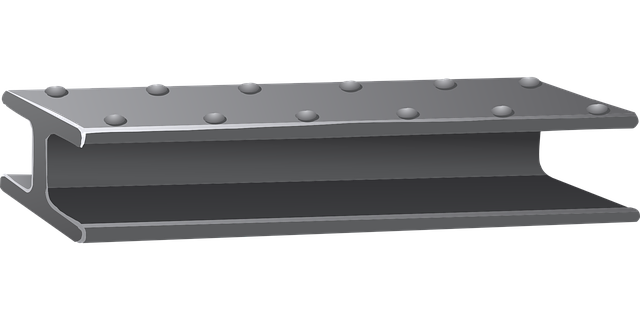
When comparing Glue Laminated Beams vs Engineered Wood Beams, understanding their structural differences is key to making an informed decision for your building project. Let’s delve into the detailed comparison of durability and strength between these two materials, offering a comprehensive guide to help you choose.
Glue Laminated Beams: These beams are engineered by laminating multiple layers of wood with high-strength glues, creating a strong, uniform structure. Glue lamination excels in enhancing the natural properties of wood, making it an attractive option for load-bearing applications. The process involves pressing together wooden veneers or strands, ensuring superior structural integrity. Glue laminated beams consistently demonstrate exceptional strength and stiffness, often surpassing traditional wooden joists. They are particularly advantageous for spanning long distances, bearing heavy loads, and providing consistent performance over time.
Engineered Wood Beams: Also known as composite wood beams, these are created by bonding together various wood strands or veneers with adhesives. Engineered wood offers several benefits, including enhanced strength, dimensional stability, and resistance to warping. The gluing process in engineered wood construction is precise, allowing for consistent beam performance. Compared to traditional lumber, engineered wood beams can handle heavier loads, making them ideal for modern architectural designs that demand structural efficiency. Their versatility enables them to be tailored to specific project requirements, ensuring optimal load distribution.
In terms of durability and strength, glue laminated timber has a distinct advantage due to the advanced lamination techniques used. This process creates a beam with minimal internal stress, resulting in superior longevity and performance. Engineered wood beams, while highly capable, may not match the consistency and strength of glued laminated beams, especially under extreme load conditions. However, modern engineering techniques continue to bridge this gap, making engineered wood a viable, eco-friendly alternative.
When selecting between these two options, consider your project’s specific needs. Glue laminated beams are ideal for applications requiring exceptional strength and durability, such as heavy structural framing. Engineered wood beams, on the other hand, offer cost-effectiveness and versatility, making them suitable for various architectural styles. For instance, in complex building designs where beam customization is essential, engineered wood provides the necessary flexibility.
Remember, the choice between glued laminated beams and engineered wood should be guided by factors like load capacity, project budget, and aesthetic preferences. To ensure optimal results, consult with structural engineers who can provide expert insights tailored to your unique construction requirements. For a detailed analysis and personalized guidance, give us a call at (607) 369-9341.
Choosing Based on Design, Cost, and Environmental Impact

When choosing between glue laminated beams and engineered wood beams for your construction project, considerations go beyond structural capacity and cost. Let’s break down a nuanced comparison focusing on design flexibility, environmental impact, and economic factors.
Design and Flexibility: Engineered wood beams offer remarkable versatility in architectural designs due to their ability to be customized according to specific load requirements and span distances. This makes them ideal for complex structures where traditional lumber might struggle. In contrast, glue laminated beams, while strong, are generally designed for more straightforward applications and may not offer the same level of customization.
Environmental Impact: Both options present ecological advantages. Engineered wood is known for its sustainability as it utilizes fast-growing trees and can be produced with a lower environmental footprint compared to traditional lumber harvesting. Glue laminated timber, when sourced responsibly, also contributes to sustainable construction practices. However, advancements in glue technology and the efficient use of wood in engineered products further reduce environmental impact.
Structural Comparison: In terms of strength and durability, glued laminated beams often surpass conventional wooden joists due to their superior structural integrity. The lamination process involves gluing multiple layers of wood together under pressure, creating a beam with exceptional strength-to-weight ratio. This design, however, is not without drawbacks; glued beams may be less flexible than solid lumber in certain scenarios.
Cost Analysis: Cost can significantly influence your decision. Engineered wood beams typically have a higher upfront cost due to their complex manufacturing process. Yet, they often provide long-term savings through reduced material waste and faster installation times compared to traditional glue laminated beams. It’s crucial to consider the total cost of ownership over the project’s lifespan.
Choosing the Right Beam: The decision between engineered wood and glued laminated beams should be guided by your project’s specific needs, budget, and environmental goals. For instance, if your design requires intricate customization or you’re prioritizing sustainability, engineered wood might be the superior choice. Conversely, glue laminated beams could be more suitable for straightforward applications where cost-effectiveness is paramount.
Remember, expert consultation from professionals like those at unalam.com can provide valuable insights tailored to your unique construction challenges, ensuring a well-informed decision.
When deciding between Glue Laminated Beams vs. Engineered Wood Beams, understanding their unique properties and advantages is key. Glue Laminated Beams offer exceptional strength and durability due to their multi-layer construction and powerful adhesives, making them ideal for structural applications. Meanwhile, Engineered Wood Beams, with their diverse manufacturing techniques, provide cost-effective solutions while maintaining high strength and stability. In terms of environmental impact, both options have sustainable alternatives, with engineered wood sometimes outperforming in this regard. For design flexibility, engineered wood beams often win due to their ability to be tailored to specific needs. Ultimately, the choice depends on project requirements, budget, and sustainability goals, highlighting the importance of careful consideration when selecting between these two robust building materials.