







Glue laminated beams and engineered wood beams offer distinct structural benefits for construction. Glue Laminated Beams excel in strength and stiffness, ideal for heavy loads. Engineered Wood Beams provide dimensional stability, customizability, and cost-effectiveness due to advanced manufacturing techniques. Choosing between them depends on project demands: Laminated beams for complex structures or heavy loads; engineered wood for versatility and efficient designs. Both options enhance structural performance, sustainability, and aesthetic appeal in modern construction.
The choice between glue laminated beams and engineered wood beams is a critical decision in modern construction, impacting structural integrity, cost, and project timeline. As the demand for efficient, sustainable building materials grows, understanding these alternatives becomes essential for architects, engineers, and builders. This article provides an in-depth comparison, delving into the unique properties, manufacturing processes, applications, and advantages of each type of beam. By examining Glue Laminated Beams vs. Engineered Wood Beams, professionals can make informed decisions, ensuring optimal structural performance tailored to specific project needs.
- Understanding Glue Laminated Beams: Definition and Properties
- Engineered Wood Beams: Composition and Manufacturing Process
- Comparative Strength and Durability Analysis
- Structural Applications and Advantages of Each Beam Type
- Cost Considerations: Glue Lam vs. Engineered Wood
- Environmental Impact: Sustainability in Construction Choices
Understanding Glue Laminated Beams: Definition and Properties

Glue laminated beams and engineered wood beams are both structural elements used in construction, but they differ significantly in their properties and applications. Glue Laminated Beams are created by gluing together multiple layers of lumber, forming a single beam with exceptional strength and stability. This process enhances the natural strength of timber, making it suitable for heavy-load bearing structures. In contrast, Engineered Wood Beams, also known as structural composite beams, use advanced manufacturing techniques to combine wood fibers or veneers with adhesives to create high-performance building components.
One key difference lies in their structural performance. Glue laminated beams offer superior strength and stiffness due to the efficient transfer of stress across the glued layers. This design allows them to support significant loads, making them ideal for large spans and heavy architectural elements. Engineered Wood Beams, on the other hand, provide excellent dimensional stability and can be designed to meet specific load requirements with precision. They are particularly effective in applications where repetitive sections are required, such as in industrial or commercial construction.
When considering Glue Laminated Beams vs Engineered Wood Beams, several factors come into play. Cost is a primary concern; engineered wood beams often have a lower initial cost, while laminated beams may be more expensive but can provide long-term savings due to their superior strength and reduced need for support structures. Versatility is another advantage of engineered wood; its ability to be manufactured in various sizes and shapes allows for greater design flexibility compared to traditional timber beams. Furthermore, sustainability should be considered; modern engineering techniques enable the efficient use of resources, contributing to environmentally responsible construction practices.
In terms of installation, both options have their merits. Engineered wood beams can be installed using conventional methods, while laminated beams often require specialized equipment for efficient assembly. However, modern construction practices are increasingly adopting advanced beam design and manufacturing techniques, ensuring structural integrity and enabling the creation of complex architectural forms. By understanding the unique properties and applications of each, builders and architects can make informed decisions to create safe, durable, and aesthetically pleasing structures. For expert guidance on your project, consider reaching out to our team at (607) 369-9341.
Engineered Wood Beams: Composition and Manufacturing Process
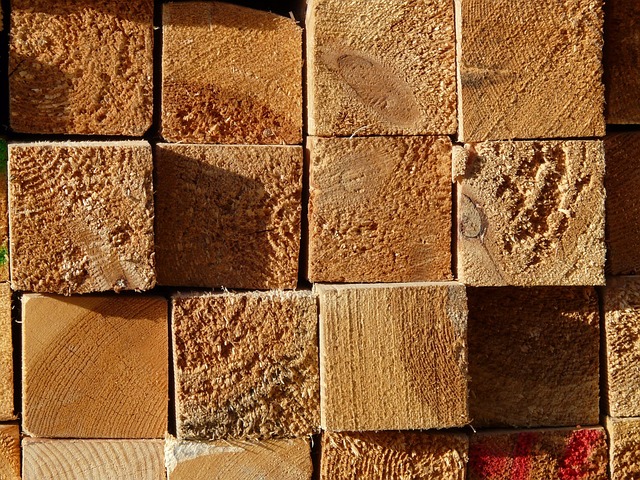
Engineered Wood Beams: A Comprehensive Look at Composition and Manufacturing Process
Engineered wood beams, a modern alternative to traditional glue laminated beams, have gained significant traction in construction due to their exceptional strength-to-weight ratio and versatility. Unlike glue laminated beams, which are created by laminating multiple layers of wood with glue, engineered wood beams are manufactured using advanced processes that combine timber with various bonding agents and materials for enhanced structural performance.
The heart of an engineered wood beam lies in its composition. These beams are typically made from a core of strand board or plywood, sandwiched between layers of veneer or glulam (glue-laminated timber). The core provides stability and strength, while the lamina (veneer or glulam) contributes to the overall load-bearing capacity. Key advantages of this design include improved dimensional stability, resistance to warping, and greater consistency in performance compared to solid lumber.
The manufacturing process begins with precision cutting and drying of timber to ensure optimal quality. The core material is then assembled using advanced bonding techniques, such as hot melting or chemical glues. This is followed by careful laminating or gluing of the veneer or glulam layers around the core. The final product is a beam that offers superior strength and durability compared to traditional glue laminated beams, with enhanced resistance to moisture, pests, and environmental factors.
When comparing glue laminated beams vs. engineered wood beams, the structural comparison reveals distinct benefits in favor of engineered wood. They offer greater load-bearing capacity per unit cross-sectional area, making them ideal for high-rise structures and complex architectural designs. Additionally, engineered wood beams can be easily customized to meet specific project requirements, providing designers with unparalleled flexibility.
Choosing between these options depends on factors like structural demands, budget, and environmental considerations. Engineered wood beams often prove more cost-effective in the long run due to their superior strength and reduced maintenance needs. Moreover, their eco-friendly nature, as they can be manufactured from sustainable timber sources, makes them a preferred choice for environmentally conscious builders.
To put it simply, when navigating the world of beam construction, engineers and architects increasingly turn to engineered wood solutions. With their advanced composition and manufacturing process, these beams offer a powerful combination of strength, durability, and versatility that traditional glue laminated beams struggle to match. For those seeking efficient, sustainable, and reliable structural components, engineered wood beams stand as a testament to modern construction techniques.
Comparative Strength and Durability Analysis

Glue laminated beams and engineered wood beams each offer unique advantages in construction, with structural comparison revealing distinct benefits depending on project needs. Engineered wood beams, essentially high-performance timber products, derive their strength from advanced manufacturing techniques that combine multiple layers of lumber with precise gluing. This process enhances natural wood properties, providing superior load-bearing capacity compared to traditional lumber choices.
In contrast, glue laminated beams are created by gluing together several strips of wood, known as laminations, which are then pressure-treated. This lamination technique significantly increases the strength and durability of glued structural components. When comparing beam construction techniques, glue lamination offers several advantages over traditional joinery methods. It enhances both tensile and compressive strengths, allowing beams to withstand heavy loads and spanning across wider areas. Moreover, advanced glues used in laminating timber ensure a robust connection between laminations, promoting the overall structural integrity of the beam.
Choosing between engineered wood and laminated beams depends on project requirements, budget, and environmental considerations. Engineered wood beams are particularly versatile for modern construction, enabling efficient design and complex architectural plans due to their customizability and superior strength-to-weight ratio. For instance, in high-rise buildings or structures requiring extensive spanning capabilities, engineered wood beams can offer cost-effective solutions without compromising structural integrity. Give us a call at (607) 369-9341 for expert guidance tailored to your specific needs. In terms of longevity and sustainability, glue laminated beams also hold up well over time, with proper maintenance, ensuring buildings remain safe and resilient for decades. Ultimately, both options represent modern advancements in the realm of timber construction, each with its unique merits, allowing professionals to select the best material for any given project.
Structural Applications and Advantages of Each Beam Type

Glue laminated beams and engineered wood beams each offer distinct structural advantages for construction projects, with key differences rooted in their manufacturing processes. Glue laminated beams, as the name suggests, involve laminating multiple layers of lumber with high-strength glues, resulting in a beam with exceptional strength and stiffness. This process allows for larger span capabilities and can handle significant loads, making it ideal for long-span applications like bridges or large industrial buildings. On the other hand, engineered wood beams are designed to meet specific structural requirements through innovative manufacturing techniques. These beams combine multiple wood strands, veneers, or laminations to create a composite material that outperforms traditional solid lumber in terms of strength and dimensional stability.
When comparing glue laminated beams vs. engineered wood, structural engineers often consider factors such as load-bearing capacity, deflection, and durability. Glue laminated timber has shown remarkable performance in these areas, with studies indicating up to 30% higher strength-to-weight ratio compared to solid lumber. This translates to reduced material usage and lighter structures, which can lead to cost savings during construction. Engineered wood beams also offer advantages in terms of versatility and design freedom. They can be customized to meet specific span requirements, allowing for more creative architectural designs without sacrificing structural integrity.
Choosing between these beam types depends on project-specific needs. For instance, when dealing with complex architectural plans or heavy load requirements, glue laminated beams often prove superior due to their ability to withstand higher loads and maintain minimal deflection. Engineered wood beams, however, excel in versatility, allowing for unique designs and efficient material use. To illustrate, consider a modern high-rise building where space optimization and lightweight construction are crucial. Engineered wood beams could be a game-changer, enabling tighter floor plans and reduced structural weight. For more straightforward projects with traditional load demands, solid lumber might suffice. In such cases, it’s essential to assess the longevity of glue laminated beams, which have demonstrated superior performance in long-term studies, outlasting solid timber in terms of structural integrity.
Ultimately, both options offer viable solutions for modern construction, each with its own set of benefits. Engineers and architects should consider project specifics, budget constraints, and sustainability goals to make informed decisions. For instance, the choice between glued and solid lumber may hinge on local availability, cost, and environmental impact. In cases where a sustainable building solution is paramount, glue laminated beams, with their efficient material use and long lifespan, could be the superior choice. To gain further insights into these structural comparisons, (607) 369-9341 can provide tailored expert advice based on your unique construction needs.
Cost Considerations: Glue Lam vs. Engineered Wood

When comparing glue laminated beams vs engineered wood beams for construction projects, cost considerations play a pivotal role. Glue laminating offers a competitive edge over traditional wooden joists in terms of strength and structural integrity. Engineered wood beams, characterized by their manufacturing process, provide enhanced properties such as superior load-bearing capacity, dimensional stability, and resistance to warping or splitting. This results in reduced material waste and lower labor costs during construction.
One key advantage of glue laminated beams is their cost-effectiveness, particularly for large-scale projects. The lamination process creates a single, solid beam from multiple smaller pieces of wood, eliminating the need for extensive handcrafted joinery. This not only streamlines production but also reduces material and labor expenses. In contrast, traditional lumber choices often require more time and skill to assemble, leading to higher construction costs. Engineered wood beams, on the other hand, offer a balanced approach by combining the benefits of both solid timber and modern manufacturing techniques, resulting in competitive pricing without compromising structural performance.
Moreover, engineered wood has gained popularity for its versatility in architectural designs. Its ability to be fabricated into various shapes and sizes allows for complex and innovative beam configurations, enhancing design flexibility. This is especially beneficial for modern construction projects seeking unique esthetic features. By choosing glue laminated or engineered wood beams, builders can achieve both structural integrity and aesthetic appeal while managing project costs effectively. For a deeper dive into these topics, visit unalam.com to explore the comprehensive insights and expert analysis on timber structural solutions.
Environmental Impact: Sustainability in Construction Choices

Glue laminated beams and engineered wood beams offer distinct advantages in modern construction, each with its own set of benefits and considerations regarding structural integrity, environmental impact, and cost-effectiveness. When comparing glue laminated beams vs. engineered wood, understanding their structural differences is paramount. Glue laminated beams consist of multiple layers of wood glued together, creating a strong, solid structure capable of bearing heavy loads. In contrast, engineered wood beams are created using advanced manufacturing techniques, combining wood fibers with adhesives to form a uniform composite material.
In terms of environmental sustainability, both options present compelling cases. Engineered wood beams offer significant advantages over traditional lumber choices due to their efficient use of raw materials and reduced waste during production. Glue laminated timber, on the other hand, is known for its longevity and strength, contributing to the overall durability of buildings and potentially reducing long-term replacement costs. The choice between these two innovative beam types depends on various factors such as project requirements, architectural design, budget, and local availability.
For instance, engineered wood beams excel in versatility, enabling complex architectural designs with minimal structural constraints. They are particularly well-suited for modern construction methods that prioritize efficiency and sustainability. In contrast, glue laminated beams provide exceptional strength and stiffness, making them ideal for heavy-load applications like bridges and high-rise buildings. When considering the cost analysis, both options offer competitive pricing, but engineered wood beams may present long-term savings due to their superior durability and reduced maintenance needs. Visit us at 18 Clifton St, Unadilla, NY 13849 to explore these innovative building solutions firsthand and gain expert insights tailored to your project’s unique requirements.
In comparing Glue Laminated Beams and Engineered Wood Beams, this article has highlighted key distinctions and advantages for each type. Glue Laminated Beams offer exceptional strength, durability, and dimensional stability due to their advanced manufacturing process, which bonds multiple layers of wood together under pressure and heat. Conversely, Engineered Wood Beams, with their composite structure incorporating various wood species and adhesives, provide cost-effectiveness and a reduced environmental footprint compared to traditional lumber. For structural applications demanding high load-bearing capacity and resistance to warping, Glue Laminated Beams prove superior. However, for projects focusing on sustainability and budget constraints, Engineered Wood Beams offer a viable alternative. By understanding these differences, construction professionals can make informed decisions, ensuring the structural integrity, longevity, and environmental responsibility of their projects. Moving forward, embracing the appropriate choice between Glue Laminated Beam vs. Engineered Wood Beam will contribute to efficient project outcomes while navigating the evolving landscape of sustainable construction practices.