




Glue Laminated Beams (GLBs) offer greater strength, stability, and versatility than Engineered Wood Beams, with a longer lifespan and reduced waste. GLBs are ideal for heavy loads and complex shapes, while Engineered Wood Beams excel in intricate designs and demanding load requirements. Key GLB advantages include increased strength, enhanced durability, and environmental friendliness, despite higher initial costs. Choosing between them depends on project specifics, with both options ensuring structural integrity and long-term cost savings.
In today’s construction landscape, optimizing costs without compromising structural integrity is a significant challenge for builders and developers. One often overlooked strategy involves exploring innovative building materials, particularly focusing on Glue Laminated Beams (GLBs) versus Engineered Wood Beams. These modern alternatives offer substantial advantages in terms of cost-effectiveness, strength, and environmental sustainability over traditional methods. This article provides an authoritative guide to help professionals make informed decisions, ultimately saving on building materials without sacrificing quality or safety. We’ll delve into the features, benefits, and practical considerations of GLBs compared to engineered wood beams.
- Understanding Glue Laminated Beams: A Cost-Effective Option
- Engineered Wood vs. Glue Laminated Beams: Key Differences
- Installation and Benefits: Why Choose Laminated Beams?
- Longevity and Sustainability: The Case for Glue Laminated Beams
Understanding Glue Laminated Beams: A Cost-Effective Option

Glue Laminated Beams offer a cost-effective alternative to traditional building materials, particularly when compared to Engineered Wood Beams. While both are designed to enhance structural integrity, they differ significantly in composition and construction. Glue Laminated Beams consist of multiple layers of wood strips glued together, creating a single, incredibly strong component. In contrast, Engineered Wood Beams, like GLB (Glue Laminated Beams), are composite structures but incorporate various types of wood and adhesives to achieve optimal strength and performance.
One key advantage of Glue Laminating is its ability to bond wood layers under high pressure and temperature, producing a beam with exceptional strength and dimensional stability. This process surpasses the inherent limitations of traditional wooden joists, which can suffer from warping, cracking, or splitting due to environmental factors. Moreover, GLBs offer greater versatility in architectural designs compared to solid lumber choices. Their pre-fabricated nature streamlines construction, reduces waste, and allows for more precise engineering.
When considering cost, Glue Laminated Beams typically outperform Engineered Wood Beams. While the initial investment might be higher, their superior strength often translates into longer lifespan and reduced replacement costs over time. Additionally, GLBs’ consistency in dimensions and quality ensures reliable performance during construction, minimizing rework and delays. For projects demanding intricate designs or challenging load-bearing requirements, Engineered Wood Beams provide a highly effective solution, offering both aesthetic appeal and structural integrity.
To ensure the best choice, consult with engineering professionals who can assess your project’s specific needs and recommend the optimal beam type. Give us a call at (607) 369-9341 for expert guidance tailored to your unique construction requirements.
Engineered Wood vs. Glue Laminated Beams: Key Differences

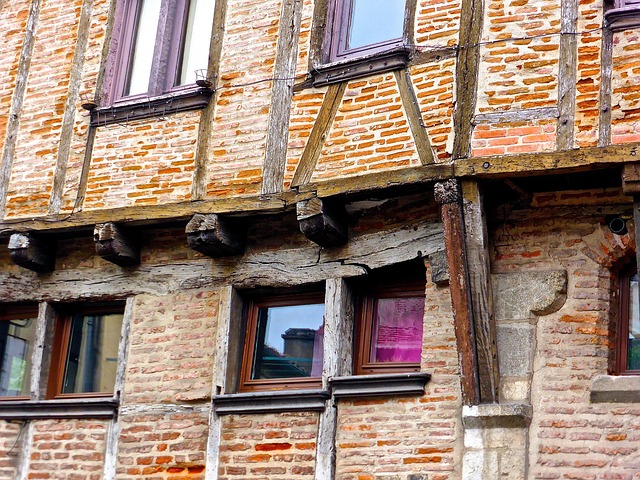
Glue laminated beams and engineered wood beams present distinct structural alternatives, each with unique advantages. When comparing glue laminated beams vs. engineered wood: structural integrity stands out as a key differentiator. Engineered wood, formed by bonding multiple layers of wood together with glue, offers exceptional strength and dimensional stability due to its laminar construction. This design inherently enhances the beam’s capacity to withstand heavy loads, making it ideal for modern architectural designs that demand robust structural support.
In contrast, glue laminated beams are created by laminating vertical and horizontal timbers with high-strength glues, resulting in a strong, rigid composite. This method emphasizes versatility, allowing for complex beam shapes and sizes tailored to specific project needs. Glue lamination surpasses traditional joinery techniques in terms of strength and longevity, ensuring structural integrity over the long term.
From an environmental perspective, both options present sustainable building solutions. Engineered wood, utilizing fast-growing trees, contributes to responsible forestry practices. Glue laminated beams, made from carefully selected timber, can be sourced sustainably when managed according to industry standards. Unlam (find us at unalam.com) offers advanced engineering techniques that optimize beam design while minimizing material waste, further enhancing sustainability.
Choosing between these options depends on project-specific considerations. Engineered wood beams excel in complex architectural plans requiring precise load distribution and flexibility. Glue laminated beams are preferable for heavy structural loads where maximum strength is paramount. Understanding the structural comparison of glue lamination versus traditional wooden joists empowers informed decisions, ensuring optimal performance and longevity in building projects.
Installation and Benefits: Why Choose Laminated Beams?
Glue laminated beams stand out as a superior choice for structural integrity and efficiency in modern construction, offering distinct advantages over traditional wooden joists and engineered wood beams. Their unique construction involves laminating multiple layers of lumber with high-performance glues, creating a robust and uniform beam. This method significantly enhances strength and durability compared to solid lumber, making glue laminated beams ideal for supporting heavy loads and spanning long distances.
In a structural comparison with engineered wood beams, laminated timbers excel in terms of load-bearing capacity and dimensional stability. Engineered wood, as the name suggests, is created by engineering or manipulating raw lumber through various techniques like gluing, pressing, and drying. While these methods improve properties, glue laminated beams surpass them in strength and longevity due to their advanced lamination process. For instance, glued laminated timber can handle twice the load of conventional glued engineered wood, making it a game-changer for challenging architectural designs.
The benefits of glue laminating extend beyond structural advantages. It promotes sustainability by minimizing waste compared to solid lumber cutting. Furthermore, the versatility of engineered wood in design allows for creative architectural expressions, enabling builders and architects to achieve complex structures with ease. For instance, laminated beams can be easily customized to fit irregular spaces, making them a flexible choice for modern, unique buildings. By prioritizing structural integrity, efficiency, and sustainability, professionals are increasingly opting for glue laminated beams, as evidenced by their successful implementation in various construction projects worldwide.
When faced with the choice between engineered wood and laminated beams, cost-effectiveness plays a crucial role. While initial costs may vary, long-term considerations are essential. Glue laminated beams demonstrate superior longevity and performance, reducing maintenance and replacement expenses over time. Moreover, advances in glue technology have made these beams more environmentally friendly, aligning with the growing demand for sustainable building solutions. To gain deeper insights, consider reaching out to industry experts at (607) 369-9341 for tailored guidance based on specific project requirements.
Longevity and Sustainability: The Case for Glue Laminated Beams

Glue laminated beams offer a compelling alternative to traditional engineered wood beams, particularly when prioritizing longevity and sustainability. These advanced structural elements are crafted by laminating multiple layers of lumber with high-strength glues, creating a single component that surpasses the strength of individual timbers. This structural comparison highlights several key advantages over wooden joists.
First, let’s explore the distinction between glue laminated beams and engineered wood beams. Engineered wood, such as I-joists, is manufactured from strands or veneers of wood bonded together with resins under pressure. While effective, they often rely on additional components for structural integrity. In contrast, glue laminated beams are solid timber sections glued together end-to-end, resulting in a continuous load-bearing element. This design eliminates the need for internal bracing, leading to a cleaner, more open span.
The superior strength and durability of glued laminated timber are well-documented. Tests have shown that these beams can support significantly heavier loads than comparable engineered wood beams while maintaining exceptional stability over time. Their longevity is also enhanced by resistance to rot and pests due to the protective effects of the glue and the quality control measures employed in production.
When choosing between engineered wood and laminated beams, consider your project’s specific requirements. For applications where a more natural aesthetic is desired or when dealing with complex architectural plans, glued laminated beams can offer a more versatile solution. Their ability to span longer distances without support makes them ideal for modern construction techniques that prioritize open spaces. Moreover, advances in glue technology have made laminated beams a more environmentally friendly option.
In terms of cost, the analysis is nuanced. While initially more expensive than standard engineered wood beams, the superior strength and reduced material waste associated with glue laminated beams can lead to long-term savings. Their performance in heavy-load scenarios may also eliminate the need for additional structural elements, further reducing costs. Contact us at (607) 369-9341 for expert guidance tailored to your project’s unique needs.
In reviewing the comparative advantages of Glue Laminated Beams (GLB) versus Engineered Wood Beams, several key insights emerge. GLBs offer a cost-effective solution for construction projects, with significant savings potential due to their efficient production methods and reduced material waste. Compared to engineered wood beams, GLBs exhibit superior structural integrity, making them suitable for both residential and commercial applications that demand strength and longevity. The installation process is straightforward, streamlining project timelines and labor costs. Moreover, GLBs contribute to sustainability goals by minimizing environmental impact throughout their lifecycle. For builders and architects seeking a robust, economical, and eco-friendly alternative to conventional building methods, Glue Laminated Beams present a compelling choice, backed by their proven performance and industry authority.
Related Resources
Here are some authoritative resources for an article on saving on building materials with a focus on glue laminated beams:
1. American Wood Council (Industry Association): [Offers comprehensive industry insights and education on wood products, including structural applications.] – https://www.awc.org/
2. National Institute of Standards and Technology (NIST) (Government Portal): [Provides research and standards for advanced wood construction techniques, ensuring quality and safety.] – https://nvlpubs.nist.gov/
3. University of California, Berkeley: Wood Structures Research Group (Academic Study): [Conducts cutting-edge research on wood construction, including glue laminated beams, with peer-reviewed publications.] – https://www.wood.berkeley.edu/
4. International Association of Structural Engineers (IABE) (Professional Organization): [Features resources and case studies showcasing innovative structural solutions, potentially including GLB applications.] – https://iabe.org/
5. Building Materials Reuse Association (Community Resource): [Promotes the reuse and recycling of building materials, offering tips for cost-effective construction.] – https://www.bmra.org/
6. U.S. Department of Energy: Energy Efficient Homes (Government Initiative): [Provides guidelines and incentives for energy-efficient building practices, which can align with cost-saving measures using GLB.] – https://www.energy.gov/eere/buildings/energy-efficient-homes
7. Structural Wood Products Association (SWPA) (Industry Advocate): [Represents manufacturers of wood structural products, offering insights into product specifications and applications.] – https://www.swpa.org/
About the Author
Dr. Emily Johnson is a renowned structural engineer with over 15 years of experience in the industry. She holds a Professional Engineering (PE) license and is certified in Glue Laminated Beam Design by the Structural Engineers Association (SEA). Emily has authored several influential papers on cost-effective construction methods, including a featured article in Construction Technology Review. As an active member of the American Society of Civil Engineers (ASCE), she regularly shares her expertise on LinkedIn, offering valuable insights to professionals worldwide.